The Importance of Mental Health: Why It Matters and How to Protect Your Well-Being
Mental health is more than just a trending topic—it is a fundamental part of overall well-being. It influences how we think, feel, and behave in everyday life. Mental health also affects how we handle stress, build relationships, and make decisions.
When mental health is stable and healthy, individuals can manage daily challenges, work productively, and contribute meaningfully to society. However, when mental health is neglected, it can impact every area of life—from personal happiness to relationships and professional performance.
Understanding the importance of mental health, recognizing risk factors, and learning how to maintain emotional balance are key steps toward a healthier life.
Risk Factors for Poor Mental Health
Mental health is shaped by a combination of biological, environmental, and lifestyle factors. Certain circumstances can increase the risk of developing mental health challenges.
1. Childhood Trauma or Abuse
Experiences such as physical abuse, emotional neglect, or sexual violence during childhood can have long-lasting psychological effects. These traumatic experiences often increase the risk of conditions such as anxiety, depression, and post-traumatic stress disorder (PTSD).
In addition to emotional consequences, childhood trauma may also contribute to long-term physical health problems, including heart disease and diabetes.
2. Environmental Influences
The environment people live in plays a significant role in mental well-being. Stressful living conditions, natural disasters, or extreme climate events can negatively affect psychological health.
For example, individuals who experience earthquakes, floods, or hurricanes may develop PTSD. Even factors like air pollution have been linked to worsening symptoms of depression.
On the other hand, supportive communities and positive social environments can protect and strengthen mental health.
3. Biological Factors
Genetics can influence mental health. Some mental health conditions tend to run in families, including:
- Depression
- Bipolar disorder
- Schizophrenia
- Autism spectrum disorder
- Attention deficit hyperactivity disorder (ADHD)
While genetics may increase risk, environmental factors and lifestyle choices also play a significant role in determining mental health outcomes.
4. Lifestyle Choices
Daily habits strongly affect emotional well-being. Certain behaviors may increase the risk of mental health problems, such as:
- Smoking
- Excessive alcohol consumption
- Substance abuse
- Poor nutrition
- Lack of physical activity
- Risky behaviors
Adopting healthier habits can significantly improve mental and emotional resilience.
Signs of Mental Health Problems
Mental health issues are not always obvious. However, certain warning signs may indicate that someone is struggling emotionally or psychologically.
Common signs include:
- Changes in eating habits (overeating or loss of appetite)
- Persistent fatigue or low energy
- Social withdrawal or isolation
- Constant feelings of sadness or hopelessness
- Increased use of alcohol, tobacco, or drugs
- Unexplained anger, confusion, guilt, or worry
- Severe mood swings
- Frequent conflicts with family or friends
- Hearing voices or experiencing unusual thoughts
- Thoughts of self-harm or harming others
- Difficulty completing daily tasks
Recognizing these symptoms early can help individuals seek support before problems become more severe.
Benefits of Good Mental Health

Maintaining strong mental health has a powerful impact on overall quality of life.
Better Ability to Handle Stress
Life inevitably brings challenges such as financial difficulties, work pressure, or relationship conflicts. Individuals with strong mental health are better equipped to cope with stress using healthy strategies rather than harmful behaviors.
Positive Self-Image
Mental well-being is closely connected to self-esteem and self-confidence. People with good mental health tend to focus on their strengths and maintain a more positive outlook on life.
Healthier Relationships
Emotional stability helps people communicate effectively, show empathy, and support others. As a result, individuals with good mental health often build stronger friendships and family connections.
Higher Productivity
Mental health directly affects focus, motivation, and performance. When people feel emotionally balanced, they are more productive and capable of delivering high-quality work.
Improved Quality of Life
Good mental health encourages people to engage more actively in life. They may pursue hobbies, volunteer, travel, and participate in community activities—leading to greater fulfillment and life satisfaction.
How to Maintain Mental Health and Well-Being
Just like physical health, mental health requires consistent care and attention. Small lifestyle changes can make a big difference.
1. Exercise Regularly
Physical activity releases endorphins, which improve mood and reduce stress.
2. Prioritize Sleep
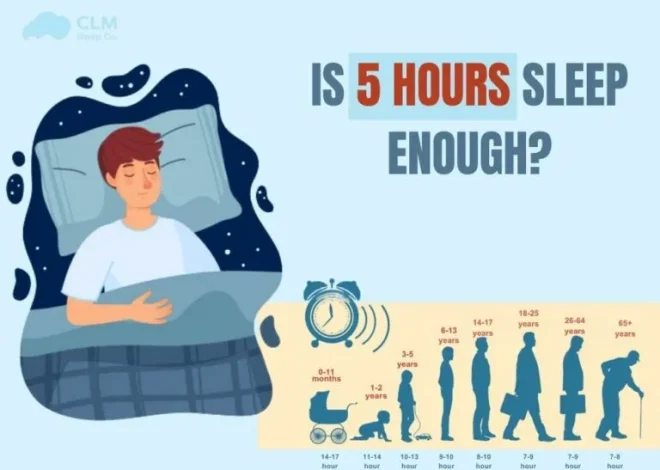
Quality sleep is essential for emotional balance, memory, and mental clarity.
3. Practice Mindfulness or Meditation
Mindfulness techniques can reduce anxiety, improve focus, and promote relaxation.
4. Develop Healthy Coping Skills
Learning how to manage stress through healthy methods—such as journaling, problem-solving, or deep breathing—helps maintain emotional stability.
5. Stay Connected with Others
Strong relationships with friends and family provide emotional support during difficult times.
6. Maintain a Positive Perspective
Practicing gratitude and focusing on positive experiences can improve overall mental resilience.
7. Seek Professional Help When Needed
Therapy and counseling are effective ways to improve mental health. Mental health professionals can help individuals understand their emotions, change negative behaviors, and develop healthier coping strategies.
The Bottom Line
Mental health plays a crucial role in every aspect of life—from emotional well-being and relationships to productivity and personal growth. Taking care of your mental health is not optional; it is essential for living a balanced and fulfilling life.
If you are struggling with mental health challenges, remember that support is available. Seeking help from a qualified therapist or counselor can be an important step toward healing and long-term well-being.