10 Common Heart Health Myths That Could Put Your Life at Risk
Discover the truth behind 10 common cardiovascular disease myths. Learn how heart disease really works, who is at risk, and how to protect your heart health at any age.
Heart disease is often misunderstood. Many people believe it only affects older adults or those with poor lifestyles. However, cardiovascular disease is the leading cause of death in the United States, and it can impact anyone—regardless of age, diet, or fitness level.
The danger lies not only in the disease itself but also in the myths that surround it. Misconceptions can delay diagnosis, prevent early treatment, and increase health risks. In this article, we’ll break down 10 of the most common heart health myths and reveal the facts you need to know.
1. “I’m too young to worry about heart disease.”
Heart disease is not just an old person’s condition. Plaque buildup in arteries can begin in childhood or adolescence and progress over time. Today, risk factors like obesity and Type 2 diabetes are increasingly common in younger people, making early prevention essential.
2. “High blood pressure has obvious symptoms.”
High blood pressure is often called the silent killer because it usually shows no symptoms. Many people don’t realize they have it until serious complications occur. Regular blood pressure checks are the only reliable way to detect it early.
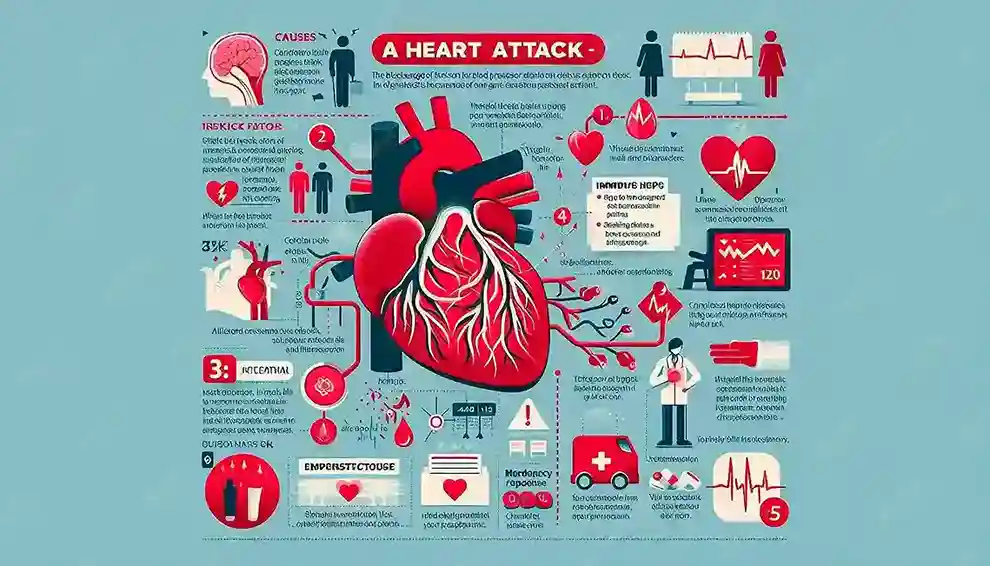
3. “A heart attack always causes chest pain.”
Chest pain is a common symptom, but not always present. Heart attacks can also cause shortness of breath, nausea, dizziness, or pain in the arms, jaw, neck, or back. If you suspect a heart attack, seek emergency help immediately.
4. “Diabetes doesn’t affect the heart if it’s controlled.”
Managing diabetes helps reduce risk, but it does not eliminate it. People with diabetes still face a higher risk of heart disease and stroke due to shared risk factors such as obesity, high blood pressure, and inactivity.
5. “If heart disease runs in my family, I can’t prevent it.”
Family history increases risk, but lifestyle choices matter greatly. Regular exercise, a healthy diet, stress management, and quitting smoking can significantly reduce your chances of developing heart disease.
6. “Cholesterol only matters when you’re older.”
Cholesterol levels should be monitored from early adulthood. High LDL (“bad cholesterol”) can build up silently over time. Early testing and healthy habits can help prevent long-term cardiovascular problems.
7. “Heart failure means the heart stops beating.”
This is incorrect. Heart failure means the heart is still beating but not pumping blood efficiently. Cardiac arrest, on the other hand, is when the heart suddenly stops entirely.
8. “Leg pain is just a normal part of aging.”
Leg pain may be linked to Peripheral Artery Disease (PAD), caused by narrowed arteries due to plaque buildup. PAD increases the risk of heart attack and stroke, so persistent leg pain should not be ignored.
9. “A fast heartbeat always means a heart attack.”
A fast heartbeat can be normal during exercise, stress, or excitement. However, irregular rhythms may indicate arrhythmia, which sometimes requires medical attention. Not all changes in heart rate are dangerous, but they should be monitored if persistent.
10. “You should avoid exercise after a heart attack.”
Exercise is actually essential for recovery after a heart attack. With medical guidance, physical activity improves heart strength and reduces future risk. Cardiac rehabilitation programs are highly recommended for safe recovery.
Final Thoughts
Heart disease is complex, but misinformation makes it even more dangerous. Understanding the truth behind these myths empowers you to take better care of your heart.
Prevention starts with awareness—regular checkups, a healthy lifestyle, and informed decisions can make a life-saving difference.
Your heart health is in your hands.