
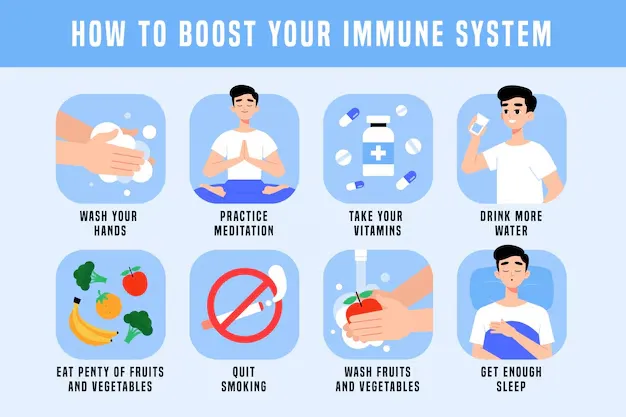
9 Natural Ways to Strengthen Your Immune System and Stay Healthy
System – A strong immune system plays a vital role in protecting your body from infections, viruses, and other illnesses. While there is no single solution that guarantees perfect immunity, healthy lifestyle habits can significantly improve your body’s natural defenses.
From quality sleep to nutritious foods and stress management, small daily choices can make a big difference. Here are 9 effective and natural ways to support and strengthen your immune system.
1. Prioritize Quality Sleep

Sleep and immune health are closely connected. Poor or insufficient sleep can weaken your immune response and make you more susceptible to illness.
Research shows that people who sleep less than 6 hours per night are more likely to catch common colds compared to those who sleep longer.
Recommended sleep duration:
- Adults: 7–9 hours per night
- Teenagers: 8–10 hours
- Children: up to 14 hours depending on age
To improve sleep quality:
- Reduce screen time before bedtime
- Sleep in a dark, quiet environment
- Maintain a consistent sleep schedule
- Exercise regularly
Quality rest allows your body to repair itself and strengthen immune defenses.
2. Eat More Whole Plant Foods
Fruits, vegetables, nuts, seeds, and legumes provide essential nutrients that support immune health.
These foods contain antioxidants, which help reduce inflammation by fighting harmful molecules known as free radicals. Chronic inflammation has been linked to conditions like heart disease and certain cancers.
Additionally, plant-based foods are rich in fiber, which nourishes the beneficial bacteria in your gut. A healthy gut microbiome plays a key role in regulating immune responses and preventing harmful pathogens from entering the body.
Many fruits and vegetables also contain vitamin C, which may help shorten the duration of the common cold.
3. Include Healthy Fats in Your Diet
Healthy fats can help regulate inflammation and support immune function.
Good sources include:
- Olive oil
- Fatty fish like salmon
- Chia seeds
- Avocados
- Nuts
These foods contain omega-3 fatty acids, known for their anti-inflammatory properties. Since chronic inflammation can weaken immune defenses, maintaining a balanced intake of healthy fats may help your body respond better to infections.
4. Eat Fermented Foods or Take Probiotics
Your gut health is strongly linked to your immune system.
Fermented foods contain probiotics, beneficial bacteria that support digestive and immune health. These microorganisms help immune cells recognize harmful invaders while protecting healthy cells.
Common probiotic-rich foods include:
- Yogurt
- Kefir
- Kimchi
- Sauerkraut
- Natto
If fermented foods are not part of your regular diet, probiotic supplements may provide similar benefits.
5. Reduce Added Sugar Intake
High consumption of added sugars and refined carbohydrates can increase the risk of obesity, type 2 diabetes, and heart disease. These conditions can weaken the immune system and increase susceptibility to illness.
Health experts recommend limiting added sugar to less than 5% of daily calorie intake, which is roughly 25 grams (about 2 tablespoons) per day for a 2,000-calorie diet.
Reducing sugar intake helps:
- Lower inflammation
- Support healthy weight management
- Improve overall metabolic health
6. Exercise Regularly
Moderate physical activity plays an important role in maintaining a strong immune system.
Regular exercise can:
- Reduce inflammation
- Improve circulation of immune cells
- Enhance the body’s defense response
Examples of moderate exercise include:
- Brisk walking
- Cycling
- Swimming
- Jogging
- Light hiking
Experts recommend at least 150 minutes of moderate exercise per week for optimal health.
7. Stay Properly Hydrated
Drinking enough water is essential for maintaining overall health and supporting immune function.
Dehydration can negatively affect:
- Concentration and mood
- Digestion
- Physical performance
- Heart and kidney function
While hydration doesn’t directly prevent infections, it helps your body function properly and recover faster from illness.
Water is the best choice for hydration because it contains no sugar, calories, or additives.
8. Manage Stress Effectively
Chronic stress can weaken the immune system by increasing inflammation and disrupting immune cell function.
Managing stress is essential for maintaining long-term health.
Helpful stress-management techniques include:
- Meditation
- Yoga
- Journaling
- Regular exercise
- Mindfulness practices
Talking to a counselor or therapist can also be beneficial when dealing with prolonged stress or anxiety.
9. Use Supplements Wisely
Certain vitamins and supplements may support immune health, especially if your body lacks essential nutrients.
Common supplements associated with immune support include:
- Vitamin C – may reduce the duration of colds
- Vitamin D – supports immune regulation
- Zinc – may shorten cold symptoms
- Elderberry – may help reduce symptoms of respiratory infections
- Echinacea and garlic – may offer mild immune benefits
However, supplements should not replace a healthy diet or lifestyle. It is also important to choose products that are third-party tested for safety and quality.
The Bottom Line
Strengthening your immune system doesn’t require drastic changes. Instead, consistent healthy habits can make a significant impact.
Key strategies include:
- Getting enough sleep
- Eating nutrient-rich whole foods
- Staying hydrated
- Exercising regularly
- Managing stress
- Limiting sugar intake
While these habits cannot guarantee protection from illnesses, they can significantly improve your body’s natural defense system and overall well-being.