“Why Nutrition Is the Foundation of a Child’s Physical, Mental, and Emotional Development”
Nutrition is one of the most important pillars of a child’s growth and overall well-being. It does not only influence how tall or strong a child becomes but also shapes brain development, emotional stability, learning ability, and long-term health.
In today’s modern lifestyle, many parents struggle to maintain a balanced diet for their children due to busy schedules and the increasing availability of processed foods. However, understanding the deep connection between nutrition and development can help families make smarter food choices that support lifelong health.
A well-planned diet during childhood is not just about eating—it is about building the foundation for a healthy future.
Table of Contents
Toggle1. Nutrition and Physical Growth: Building a Strong Body
Proper nutrition is essential for a child’s physical development. Every part of the body—from bones and muscles to organs and skin—depends on nutrients to grow and function properly.
Key Nutrients for Physical Development
- Protein: Supports muscle growth, tissue repair, and organ development. It is considered the building block of the body.
- Carbohydrates: Provide energy for daily activities, play, and brain function.
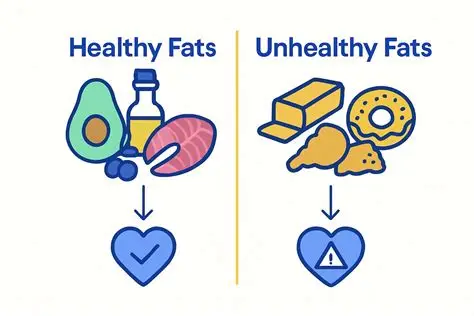
- Healthy fats: Help with brain development and hormone production.
- Vitamins and minerals: Strengthen the immune system, support bone growth, and speed up healing.
A balanced diet that includes fruits, vegetables, whole grains, dairy, and lean proteins ensures that children receive the nutrients needed for healthy physical growth.
Why Physical Nutrition Matters
Children who receive proper nutrition are more likely to:
- Maintain a healthy weight
- Develop strong bones and muscles
- Have higher energy levels
- Build stronger immune systems
Without proper nutrition, children may face issues such as stunted growth, weak immunity, and frequent illness.
2. Brain Development and Cognitive Growth
Nutrition plays a direct role in how a child’s brain develops and functions. Learning ability, concentration, memory, and problem-solving skills are all influenced by the quality of a child’s diet.
Brain-Boosting Nutrients
- Omega-3 fatty acids: Found in fish, chia seeds, and walnuts, these support brain structure and improve memory.
- Iron: Helps carry oxygen to the brain, improving focus and attention.
- B vitamins: Support energy production and healthy brain function.
- Zinc: Plays a role in learning ability and memory formation.
Foods such as eggs, leafy greens, nuts, seeds, and whole grains are essential for supporting cognitive development.
How Nutrition Affects Learning
A well-nourished brain helps children:
- Concentrate better in school
- Retain information more effectively
- Develop stronger problem-solving skills
- Perform better academically
On the other hand, poor nutrition can lead to fatigue, difficulty focusing, and slower cognitive development.
3. Emotional and Social Development: Nutrition and Mood
Nutrition does not only affect the body and brain—it also influences emotions and behavior. A child’s mood, stress levels, and social interactions can be impacted by what they eat.
Nutrients That Support Emotional Health
- Omega-3 fatty acids: Help reduce symptoms of anxiety and depression.
- Vitamin D: Supports mood regulation and emotional balance.
- Magnesium: Helps calm the nervous system and reduce stress.
- B vitamins: Assist in maintaining stable energy and mood levels.
The Link Between Food and Behavior
Children who eat a balanced diet are more likely to:
- Have stable moods
- Show better emotional control
- Experience less irritability
- Interact more positively with others
In contrast, diets high in sugar and processed foods can contribute to mood swings, hyperactivity, and difficulty managing emotions.
4. Long-Term Health: Building Lifelong Habits

Childhood nutrition is not only important for present growth but also for future health. Eating habits formed early in life often continue into adulthood, influencing long-term wellness.
Benefits of Healthy Eating in Childhood
A nutritious diet can help prevent:
- Obesity
- Type 2 diabetes
- Heart disease
- Nutrient deficiencies
Children who develop healthy eating habits early are more likely to maintain a balanced lifestyle as adults.
Investing in the Future Through Food
By providing nutritious meals, parents are not only supporting immediate growth but also reducing the risk of chronic diseases later in life. This makes childhood nutrition one of the most powerful investments in long-term health.
5. Practical Tips for Parents to Encourage Healthy Eating
Creating healthy eating habits in children requires consistency, patience, and positive reinforcement. Here are some practical strategies:
1. Be a Role Model
Children learn by observing adults. When parents eat healthy foods, children are more likely to follow the same habits.
2. Involve Children in Food Choices
Let children participate in:
- Grocery shopping
- Meal planning
- Cooking simple meals
This increases their interest in healthy foods.
3. Make Mealtime Enjoyable
Create a positive eating environment:
- Eat together as a family
- Avoid screens during meals
- Encourage conversation
4. Offer Variety and Color
Introduce different foods with:
- Various colors
- Textures
- Flavors
This helps children stay interested and open to trying new foods.
5. Limit Processed and Sugary Foods
Reduce intake of:
- Sugary drinks
- Fast food
- Packaged snacks
Instead, replace them with natural and nutritious alternatives.
Conclusion: Nutrition Builds the Future
Nutrition is far more than daily eating—it is the foundation of a child’s physical strength, mental ability, emotional balance, and long-term health.
By providing balanced meals and encouraging healthy habits early, parents can shape a stronger, healthier, and more successful future for their children.
Good nutrition today leads to a better quality of life tomorrow.