What Is a Balanced Diet? A Simple Guide to Healthy Eating
Eating healthy is something we hear about all the time. Many people know that a balanced diet is important for overall health, energy, and long-term wellbeing. However, not everyone clearly understands what a balanced diet actually looks like in daily life.
In fact, a 2022 study found that around 85% of people believe their diets are healthier than they really are. This shows that many individuals may not fully understand the basics of balanced nutrition.
So, what exactly is a balanced diet? Let’s explore the key principles and how you can apply them to your everyday meals.
What Is a Balanced Diet?
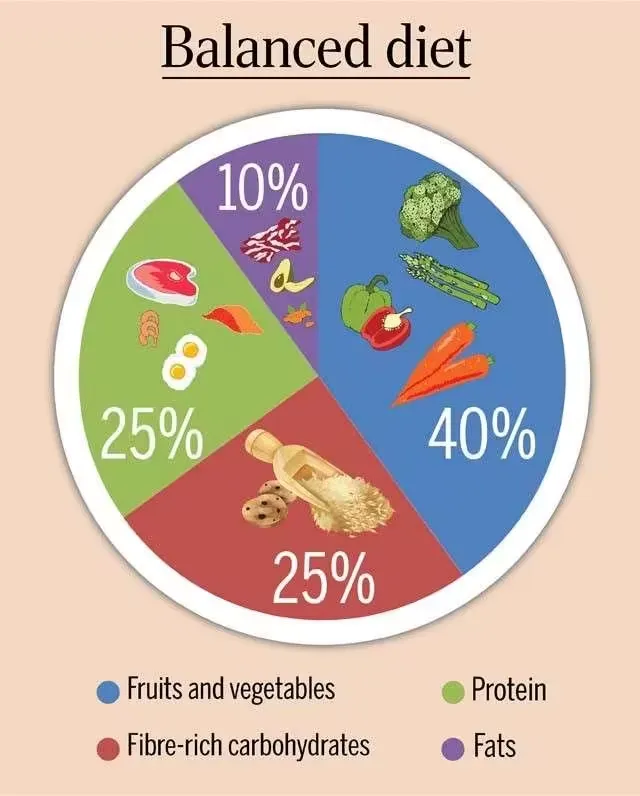
At its core, a balanced diet means eating a variety of foods that provide your body with the nutrients it needs to function properly.
Rather than focusing on a few “superfoods” or cutting out entire food groups, balanced eating is about combining different foods in the right proportions.
A simple way to visualize a balanced meal is through the MyPlate guideline, which recommends the following proportions:
- 50% fruits and vegetables
- 25% protein
- 25% grains (with at least half being whole grains)
- Around 3 cups of dairy per day
This structure ensures that your body receives a mix of vitamins, minerals, fiber, carbohydrates, and protein necessary for good health.
The Key Components of a Balanced Diet
1. Fruits and Vegetables
Fruits and vegetables should make up about half of your plate at each meal. They are rich in vitamins, minerals, antioxidants, and fiber that support many body functions.
Eating a variety of colors is important because different colors provide different nutrients.
Examples include:
- Green vegetables: spinach, broccoli, kale
- Red foods: tomatoes, strawberries
- Orange foods: carrots, sweet potatoes
- Purple foods: blueberries, eggplant
One important tip is to limit starchy vegetables like potatoes, corn, and peas in this section of your plate. These foods contain more carbohydrates and are often grouped closer to grains.
2. Protein
Protein is essential for many bodily functions. It helps:
- Build and maintain muscles
- Provide long-lasting energy
- Support weight management
- Keep you feeling full longer
While many people associate protein mainly with meat, there are plenty of plant-based protein sources as well.
Healthy protein options include:
- Chicken breast
- Eggs
- Salmon and fish
- Beans and lentils
- Nuts and seeds
- Tofu and tempeh
It’s generally recommended to choose lean protein sources and limit red meat, which can be high in saturated fats.
3. Grains and Carbohydrates
Carbohydrates often receive criticism in popular diets, but they are actually an important energy source for the body.
In a balanced diet, grains should make up about 25% of your plate, with half coming from whole grains rather than refined grains.
Whole grains are better because they contain more fiber and nutrients.
Examples of healthy whole grains include:
- Whole-wheat bread and pasta
- Oats
- Quinoa
- Brown rice
- Bulgur
- Buckwheat
Refined grains like white bread and white rice have had much of their fiber removed during processing.
4. Dairy
Dairy products are an important part of many balanced diets because they provide calcium and vitamin D, which help maintain strong bones and teeth.
Adults are generally encouraged to consume about three cups of dairy per day.
Examples of dairy servings include:
- 1 cup of milk
- 1 cup of yogurt
- 1½ ounces of cheese
- ⅓ cup shredded cheese
For people who are lactose intolerant or follow a vegan diet, calcium can also be obtained from alternatives such as:
- Fortified soy milk
- Calcium-fortified orange juice
- Tofu made with calcium sulfate
- Canned sardines
Are Sweets Allowed in a Balanced Diet?
A balanced diet does not mean completely eliminating sweets or treats.
Occasional desserts such as cake, cookies, or candy can still be enjoyed in moderation. The key is to keep portions small and avoid making sugary foods a daily habit.
Extremely restrictive diets can be difficult to maintain long-term, so allowing yourself occasional indulgences can help create a healthier relationship with food.
Why a Balanced Diet Matters
Following a balanced diet can provide many long-term health benefits, including:
- Better energy levels
- Stronger immune system
- Improved weight management
- Lower risk of chronic diseases
- Better digestion and gut health
Most importantly, balanced eating ensures your body receives the nutrients it needs to function efficiently every day.
Final Thoughts
A balanced diet is not about strict rules or perfect meals. Instead, it focuses on variety, moderation, and proper proportions.
By filling your plate with fruits, vegetables, whole grains, protein, and dairy, you can create meals that support both your short-term energy and long-term health.
Remember, healthy eating is about balance — and that includes enjoying your favorite treats once in a while.