
Healthy Lifestyle by Age: How to Stay Fit in Your 20s, 30s, 40s, 50s and Beyond
Building a healthy lifestyle is not something reserved for a specific age—it’s a continuous journey that evolves as your body, mind, and responsibilities change. What works in your 20s may need adjustment in your 30s, and again in your 40s and beyond. The key is understanding your body’s needs at every stage of life and adapting your habits accordingly.
This guide breaks down how to build and maintain a healthy lifestyle across different decades so you can stay strong, balanced, and energized for life.
Table of Contents
ToggleYour 20s: Building the Foundation for Lifelong Health
Your 20s are often filled with freedom, exploration, and new responsibilities. It’s also the most important time to build habits that will support your future health.
1. Focus on Consistent Movement
Exercise in your 20s is not just about appearance—it’s about building long-term strength and resilience.
Activities like walking, running, weight training, yoga, or dancing help:
- Build muscle mass
- Improve cardiovascular health
- Strengthen bones
- Support mental well-being
Consistency matters more than intensity.
2. Develop Healthy Eating Habits
This decade often includes fast food, irregular meals, and energy drinks. However, learning basic nutrition can transform your health:
- Lean proteins for muscle repair
- Whole grains for energy
- Healthy fats for brain function
- Fruits and vegetables for vitamins and minerals
Hydration is equally essential for energy, digestion, and skin health.
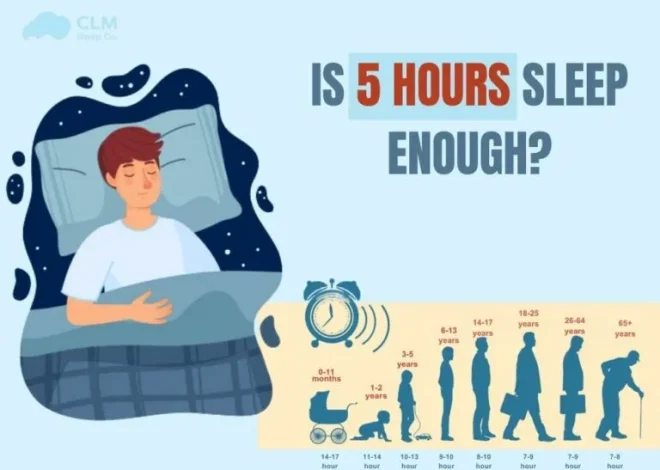
3. Prioritize Sleep
Late nights may feel normal, but sleep is essential for:
- Memory and focus
- Hormonal balance
- Immune system strength
A consistent sleep schedule is one of the most powerful health tools.
4. Support Mental Health Early
Your 20s can be emotionally unpredictable. Journaling, meditation, therapy, or trusted friendships help build emotional resilience for the future.
Your 30s: The Decade of Balance and Prevention
In your 30s, life often becomes more structured—career growth, relationships, and possibly family responsibilities. Your health requires more intentional care.
1. Train Smarter, Not Just Harder
Your body may not recover as quickly as before. Focus on:
- Strength training
- Mobility and flexibility exercises
- Functional fitness (core strength, posture, balance)
2. Pay Attention to Nutrition Response
Food begins to affect your energy and mood more noticeably. Aim for:
- Balanced meals with protein, fiber, and healthy fats
- Reduced sugar intake
- Stable blood sugar levels for sustained energy
3. Manage Stress and Mental Load
Burnout and anxiety are common in this decade. Healthy coping tools include:
- Therapy or counseling
- Meditation or breathing exercises
- Regular rest and digital breaks
4. Start Preventive Health Care
Routine checkups become important:
- Annual physical exams
- Dental and vision care
- Health screenings based on risk factors
Prevention is more powerful than treatment.
Your 40s: Strength, Stability, and Maintenance
Your 40s bring wisdom, but also noticeable physical changes. This is the time to reinforce your health foundation.
1. Protect Muscle and Bone Health
Muscle mass naturally begins to decline unless maintained. Focus on:
- Resistance training
- Weight-bearing exercises
- Yoga or Pilates for flexibility
Movement becomes essential for long-term independence.
2. Eat for Nourishment, Not Trends
Nutrition should support energy and reduce inflammation:
- Whole foods
- Lean proteins
- Fiber-rich vegetables
- Omega-3 fats
Reducing processed foods and sugar becomes more important.
3. Support Hormonal and Mental Changes
Mood, energy, and sleep may fluctuate. Practices that help include:
- Mindfulness
- Journaling
- Therapy or coaching
- Structured downtime
4. Monitor Health Regularly
Key screenings include:
- Blood pressure and cholesterol
- Blood sugar tests
- Hormonal health checks
Early detection helps prevent long-term complications.
Your 50s and Beyond: Thriving with Wisdom
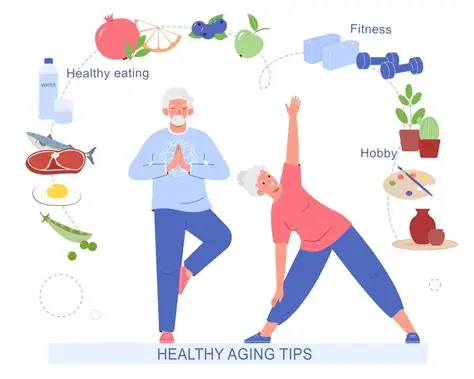
Aging is not decline—it is adaptation. Your 50s and beyond offer the opportunity to live with deeper awareness and intention.
1. Stay Physically Active
Movement remains essential:
- Walking
- Swimming
- Cycling
- Light resistance training
Focus on mobility, balance, and consistency.
2. Protect Muscle, Bone, and Heart Health
Continue strength training 2–3 times per week to prevent muscle loss and maintain metabolism. Cardiovascular exercise supports heart health and overall vitality.
3. Optimize Nutrition for Aging Well
Key nutrients become more important:
- Calcium and Vitamin D for bones
- Vitamin B12 for energy and brain health
- Omega-3 fatty acids for inflammation control
- Fiber for digestion
4. Support Emotional and Mental Wellness
Life transitions can bring emotional shifts. Staying connected is vital:
- Community involvement
- Social groups
- Volunteering
- Family and friendships
Purpose plays a major role in longevity and happiness.
5. Prioritize Quality Sleep
Sleep may change with age, but good habits still matter:
- Consistent bedtime
- Reduced screen time
- Comfortable sleep environment
Conclusion: Health Evolves With You
A healthy lifestyle is not about perfection—it’s about awareness and consistency. Each decade of life brings new challenges, but also new opportunities to care for your body and mind in better ways.
- Your 20s build the foundation
- Your 30s refine your habits
- Your 40s strengthen your systems
- Your 50s and beyond embrace wisdom and balance
When you listen to your body and respond with care, you don’t just add years to your life—you add life to your years.