
7 Golden Rules of Healthy Eating Recommended by Nutritionists
Healthy eating can sometimes feel overwhelming. With so much conflicting advice online, it’s difficult to know what actually works. However, nutrition experts agree that building healthy eating habits doesn’t need to be complicated. By following a few simple principles, anyone can improve their diet and overall wellbeing.
Nutritionist Steph Lowe shares several essential habits that form the foundation of a balanced diet. These seven golden rules can help you nourish your body, improve energy levels, and support long-term health.
Let’s explore these simple yet powerful guidelines and how you can incorporate them into your daily routine.
1. Support Your Gut Microbiome
Your gut is home to trillions of microorganisms collectively known as the gut microbiome. These microorganisms play a crucial role in digestion, immune function, and even mental health.
To support a healthy gut, focus on eating whole foods rich in fiber, antioxidants, and natural probiotics. A helpful strategy is to “eat the rainbow,” which means including a variety of colorful fruits and vegetables in your meals.
You can also replace processed snacks with healthier options such as nuts, seeds, or berries. These foods provide beneficial nutrients that help nourish the good bacteria in your gut.
2. Reduce Added Sugar Intake
Consuming too much sugar can lead to energy crashes, weight gain, and an increased risk of chronic diseases. Many processed foods contain hidden sugars that can easily push your daily intake above healthy limits.
To improve your diet, try reducing added sugars and refined carbohydrates. Instead, choose natural alternatives in moderation such as dates, coconut sugar, or stevia. Replacing refined carbs with complex carbohydrates like sweet potatoes or whole grains can also help maintain stable energy levels throughout the day.
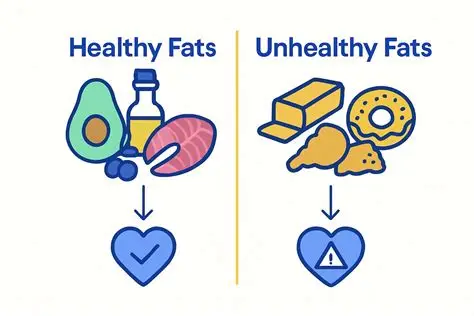
3. Prioritize Healthy Fats
Healthy fats are essential for brain function, hormone production, and reducing inflammation in the body. Including the right types of fats in your diet can significantly support overall health.
Good sources of healthy fats include:
- Nuts and seeds
- Olive oil
- Avocados
- Fatty fish such as salmon
Using olive oil in salads or coconut oil for high-temperature cooking is a simple way to add beneficial fats to your meals.
4. Choose High-Quality Protein Sources
Protein plays an important role in muscle repair, growth, and maintaining a strong immune system. However, the quality of protein you consume matters just as much as the quantity.
Whenever possible, choose clean protein sources such as grass-fed meat, pasture-raised poultry, wild-caught fish, and organic eggs. These options typically contain fewer additives and lower exposure to hormones or antibiotics.
Organ meats, particularly beef liver, are also extremely nutrient-dense and provide important vitamins and minerals that support overall health.
5. Stay Properly Hydrated

Hydration is often overlooked but is vital for maintaining energy, supporting metabolism, and promoting cellular function.
A good habit is to start the day with a glass of water to help rehydrate your body after sleep. Many health experts recommend drinking around three liters of water throughout the day, although individual needs may vary.
If plain water feels boring, try adding lemon slices or a pinch of mineral salt to enhance the taste and improve electrolyte balance.
6. Pay Attention to How Foods Affect Your Body
Everyone’s body reacts differently to certain foods. Paying attention to how you feel after eating can help you identify potential food sensitivities or digestive issues.
Common symptoms such as bloating, fatigue, brain fog, or stomach discomfort may signal that certain foods do not suit your body. Keeping a simple food diary can help track how different meals affect your mood, digestion, and energy levels.
If persistent symptoms occur, consulting a healthcare professional or nutritionist can help identify triggers and create a more personalized nutrition plan.
7. Minimize Exposure to Food Contaminants
Modern agriculture sometimes exposes foods to pesticides, chemicals, and heavy metals. While it’s impossible to avoid all contaminants, you can reduce exposure by choosing organic and sustainably sourced foods whenever possible.
It’s also important to thoroughly wash fruits and vegetables before eating them. This simple step helps remove residues and lowers potential health risks.
Final Thoughts
Healthy eating doesn’t require extreme diets or complicated rules. By focusing on whole foods, reducing added sugars, staying hydrated, and listening to your body, you can build sustainable habits that support long-term wellbeing.
Following these seven golden rules of nutrition can help you create a balanced lifestyle, improve digestion, and maintain consistent energy throughout the day. Small changes in your daily diet can lead to significant improvements in overall health over time.