Healthy Fats vs Unhealthy Fats: What You Need to Know for a Strong Heart
Healthy – Fats have long been misunderstood in nutrition. While many people associate fat with weight gain and heart disease, the truth is more complex. Some fats can harm your health, but others are essential for energy, brain function, and heart protection. Understanding the difference between “good fats” and “bad fats” is key to building a balanced, heart-healthy diet.
Table of Contents
ToggleWhy Dietary Fat Matters
Fat is one of the three essential macronutrients, alongside protein and carbohydrates. Your body relies on fat for energy storage, cell function, and the absorption of fat-soluble vitamins like A, D, E, and K.
However, consuming too much fat—especially unhealthy types—can lead to weight gain and increase the risk of chronic conditions such as heart disease, diabetes, and obesity. The key is not avoiding fat completely, but choosing the right kinds in the right amounts.
Unhealthy Fats: What to Limit or Avoid
1. Saturated Fat
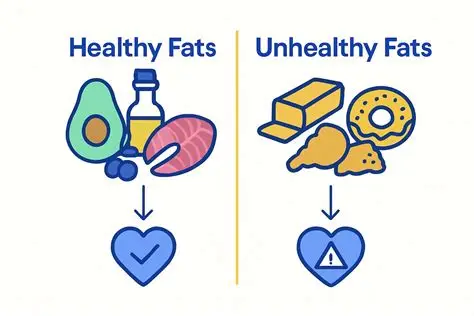
Saturated fats are mostly found in animal-based foods and certain tropical oils. They are typically solid at room temperature.
Common sources include:
- Fatty cuts of beef, pork, and lamb
- Butter, cheese, and whole milk
- Chicken skin and dark poultry meat
- Coconut oil and palm oil
Eating too much saturated fat can raise LDL (bad) cholesterol levels, which may increase the risk of cardiovascular disease. While recent studies suggest the risk may not be as extreme as once believed, most health experts still recommend consuming saturated fats in moderation.
2. Trans Fat (The Most Harmful Fat)
Trans fats are artificially created through hydrogenation and are considered the worst type of dietary fat for heart health.
Common sources include:
- Fried fast foods (fries, doughnuts)
- Packaged snacks and baked goods (cookies, pastries)
- Stick margarine and shortening
- Microwave popcorn and processed foods
Trans fats not only raise bad cholesterol (LDL) but also lower good cholesterol (HDL). They are also linked to inflammation, increasing the risk of heart disease, stroke, and diabetes. Even if a product claims “zero trans fat,” it may still contain small amounts, so reading ingredient labels is essential.
Healthy Fats: Essential for Heart Health
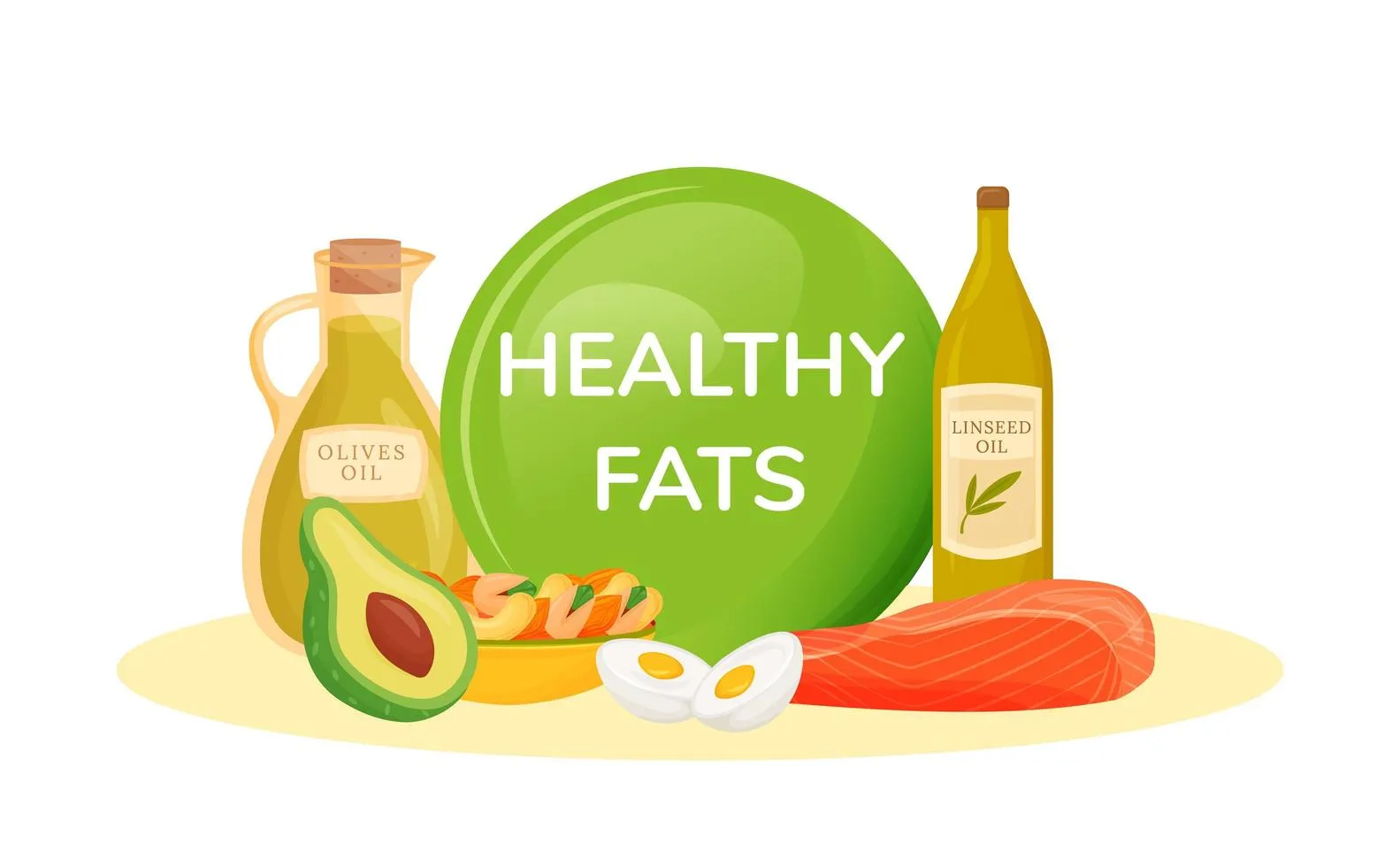
Unlike unhealthy fats, monounsaturated and polyunsaturated fats support overall wellness and cardiovascular health. These fats are typically liquid at room temperature and are found in plant-based oils, nuts, and fish.
1. Monounsaturated Fat
Monounsaturated fats are known for their ability to improve cholesterol levels and reduce heart disease risk.
Healthy sources include:
- Olive oil and peanut oil
- Avocados
- Almonds, cashews, peanuts, and pecans
- Nut butters like peanut and almond butter
Including these foods in your diet can help maintain a healthy balance of cholesterol and support long-term heart function.
2. Polyunsaturated Fat
Polyunsaturated fats are considered essential fats, meaning your body cannot produce them on its own.
They include omega-3 and omega-6 fatty acids, both important for heart and brain health.
Omega-3 rich foods include:
- Salmon, sardines, trout, and herring
- Walnuts, chia seeds, and flaxseeds
- Canola oil
Other sources of polyunsaturated fats include:
- Sunflower seeds, pumpkin seeds, and sesame seeds
- Soy products like tofu
- Corn, safflower, and sunflower oils
Omega-3 fatty acids are especially beneficial because they may help reduce blood pressure, decrease inflammation, and lower the risk of irregular heart rhythms.
The Bottom Line
Not all fats are created equal. While trans fats should be avoided and saturated fats limited, healthy fats like monounsaturated and polyunsaturated fats are essential for a balanced diet.
Even healthy fats should be consumed in moderation because they are calorie-dense. The goal is not to eliminate fat but to replace unhealthy fats with healthier options whenever possible.
Key Takeaways
- Fats are essential for energy, vitamins, and overall health
- Trans fats are the most harmful and should be avoided completely
- Saturated fats should be consumed in moderation
- Monounsaturated and polyunsaturated fats support heart health
- Omega-3 fatty acids are especially beneficial for cardiovascular function
- Balance and moderation are key to a healthy diet
Final Thought
Building a heart-healthy diet is not about fear of fat—it’s about choosing smarter sources. By focusing on healthy fats and reducing harmful ones, you can significantly improve your long-term heart health and overall well-being.