
15 Common Nutrition Mistakes People Make Every Day (And How to Fix Them)
Nutrition – Many people try to maintain a healthy diet but still experience low energy, weight gain, poor digestion, or slow progress toward health goals. Surprisingly, the problem is often not a lack of effort but small daily nutrition mistakes.
These habits may seem harmless, but over time they can affect metabolism, nutrient intake, and overall well-being. Understanding these mistakes is the first step toward building healthier eating habits and achieving a balanced lifestyle.
In this guide, we explore the most common nutrition mistakes people make every day and practical ways to correct them.
1. Skipping Meals
Skipping meals—especially breakfast or lunch—is one of the most common dietary mistakes. Many people believe it helps reduce calorie intake, but it often leads to overeating later in the day.
When meals are skipped:
- Blood sugar levels drop
- Hunger increases
- Energy levels decrease
- Cravings for unhealthy foods rise
Solution:
Eat balanced meals at regular intervals to maintain steady energy and support a healthy metabolism.
2. Not Eating Enough Protein
Protein plays a crucial role in muscle repair, immune function, and maintaining satiety. Many diets contain too many carbohydrates and not enough protein, which can lead to frequent hunger and fatigue.
Signs of low protein intake include:
- Feeling hungry soon after eating
- Low energy levels
- Difficulty maintaining muscle mass
Healthy protein sources:
- Lentils and legumes
- Eggs
- Yogurt or paneer
- Nuts and seeds
- Tofu or lean meats
Adding protein to every meal helps control appetite and improve overall nutrition.
3. Drinking Calories Without Realizing It
Sugary drinks can quietly add hundreds of calories to your daily intake without providing significant nutrition.
Common examples include:
- Sweetened coffee drinks
- Packaged fruit juices
- Soft drinks
- Flavored beverages
Unlike solid foods, liquid calories don’t make you feel full, making it easy to overconsume.
Healthier alternatives:
- Water
- Lemon water
- Buttermilk
- Herbal tea
Reducing sugary beverages can significantly improve weight management and blood sugar control.
4. Eating Too Many Processed Foods
Processed foods are convenient but often contain high amounts of sugar, unhealthy fats, sodium, and preservatives.
Common processed foods include:
- Packaged snacks
- Instant noodles
- Bakery items
- Frozen ready meals
Frequent consumption can increase the risk of weight gain, heart disease, and metabolic problems.
Tip:
Choose home-cooked meals and whole foods whenever possible.
5. Ignoring Portion Sizes

Even healthy foods can contribute to weight gain if consumed in large portions. Many people unknowingly eat more calories than needed.
Tips for better portion control:
- Use smaller plates
- Avoid eating directly from snack packets
- Serve measured portions instead of guessing
Mindful portion control helps maintain a healthy calorie balance.
6. Eating Too Fast
Eating too quickly prevents the brain from recognizing fullness, which often leads to overeating.
Proper digestion also begins in the mouth, so chewing food thoroughly is essential.
Ways to slow down while eating:
- Take smaller bites
- Chew food properly
- Avoid distractions like TV or smartphones
Eating slowly improves digestion and helps regulate appetite.
7. Not Drinking Enough Water
Water plays a vital role in digestion, metabolism, and overall body function. However, many people do not drink enough water throughout the day.
Signs of dehydration include:
- Dry mouth
- Fatigue
- Headaches
- Difficulty concentrating
Tip:
Carry a reusable water bottle and drink regularly throughout the day.
8. Avoiding Healthy Fats
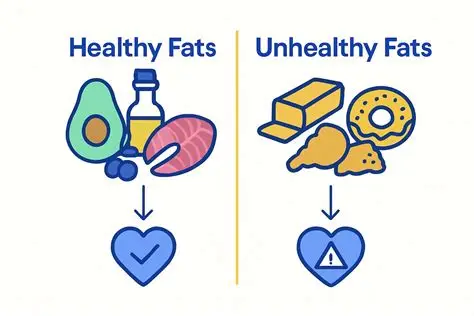
Some people eliminate fats completely in an attempt to lose weight. However, healthy fats are essential for hormone balance, brain function, and nutrient absorption.
Healthy fat sources include:
- Nuts and seeds
- Olive oil
- Avocado
Consuming moderate amounts of healthy fats helps maintain satiety and overall health.
9. Following Crash Diets
Crash diets promise rapid weight loss, but they are rarely sustainable.
Common problems with crash diets include:
- Muscle loss
- Low energy levels
- Slower metabolism
- Nutrient deficiencies
A balanced and sustainable eating pattern is far more effective for long-term health.
10. Not Planning Meals in Advance
Without meal planning, people often rely on fast food or packaged snacks, which are typically less nutritious.
Benefits of meal planning:
- Balanced nutrition
- Better portion control
- Reduced unhealthy food choices
Even planning meals two or three days in advance can improve consistency.
11. Relying Too Much on Packaged “Healthy” Foods
Many products labeled “low-fat,” “diet,” or “healthy” still contain high levels of sugar, sodium, or additives.
Examples include:
- Flavored yogurt
- Granola bars
- Diet snacks
Always read nutrition labels and prioritize whole foods when possible.
12. Eating Late at Night
Late-night eating, especially heavy meals, can negatively impact digestion and sleep quality.
To improve digestion:
- Eat dinner 2–3 hours before bedtime
- Choose lighter evening meals
This helps regulate metabolism and supports better sleep.
13. Not Eating Enough Fruits and Vegetables
Fruits and vegetables are essential sources of vitamins, minerals, antioxidants, and fiber. Many people consume far less than recommended.
Easy ways to add more:
- Include salads with meals
- Eat fruit as a snack
- Add vegetables to soups or stir-fries
Aim to include vegetables in at least two meals per day.
14. Expecting Immediate Results
Healthy eating is a long-term lifestyle change, not a quick fix. Many people give up when they don’t see rapid results.
Remember:
- Consistency matters more than speed
- Small improvements create lasting change
- Healthy habits build over time
Patience and persistence lead to sustainable results.Simple Tips to Improve Daily Nutrition
Improving your diet doesn’t require extreme changes. Small steps can create significant benefits:
- Eat balanced meals regularly
- Drink enough water
- Include protein in every meal
- Reduce processed foods
- Maintain consistent meal times
Building healthy habits gradually is the key to long-term success.
Benefits of Fixing Daily Nutrition Mistakes
Correcting common dietary mistakes can improve:
- Energy levels
- Digestion
- Weight management
- Immune function
- Overall well-being
Good nutrition supports both physical and mental health.
Conclusion
Many everyday nutrition mistakes happen due to busy schedules, convenience-based eating, or lack of awareness. However, small and consistent improvements can make a significant difference.
Healthy eating doesn’t require perfection. By focusing on balanced meals, hydration, mindful eating, and whole foods, you can build sustainable habits that support long-term wellness.
Improve Your Eating Habits with Expert Guidance
Every person has different health goals, lifestyle habits, and nutritional needs. A personalized nutrition plan can help you correct dietary mistakes and create a sustainable eating routine.
With expert guidance, you can:
- Improve daily eating habits
- Manage weight effectively
- Increase energy levels
- Build a practical and balanced meal plan
Book a consultation today and start your journey toward healthier, smarter nutrition.