How to Stay Healthy When You’re Extremely Busy: 13 Practical and Simple Strategies
Balancing a demanding job, family responsibilities, and personal goals can make healthy living feel impossible. But the truth is—you don’t need a perfect schedule or superhuman discipline to stay healthy.
What you need is a simple system, smart habits, and consistency.
This guide breaks down 13 realistic strategies to help you stay healthy even on your busiest days.
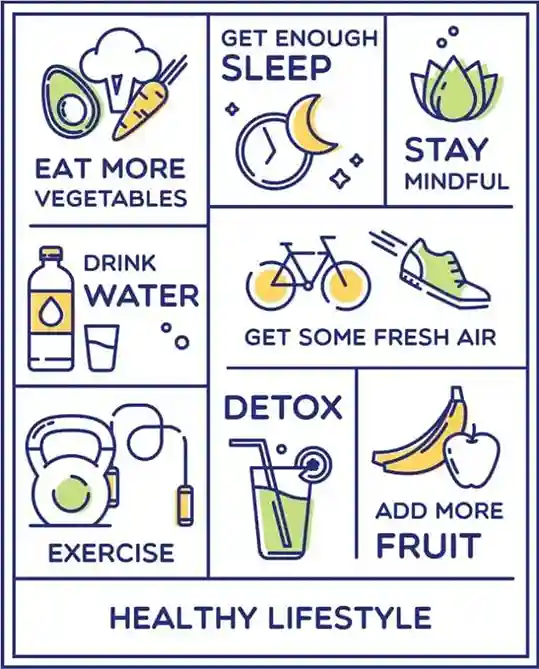
1. Plan everything in advance
If you don’t plan your health, your schedule will plan it for you.
Set aside time to organize:
- Weekly workouts (and add them to your calendar)
- Meals for breakfast, lunch, and dinner
- Grocery shopping and meal prep sessions
- Short breaks for stress relief or mindfulness
Even 5–10 minutes of planning a day can prevent unhealthy choices later.
2. Keep your meals simple
Healthy eating doesn’t need to be complicated.
Focus on basic nutrition:
- Lean protein
- Fiber-rich carbohydrates
- Healthy fats
Instead of constantly trying new recipes, stick to a set of 8–10 simple, balanced meals you enjoy. Simplicity is key to consistency.
3. Be mindful with caffeine and alcohol
Too much caffeine may feel helpful, but it can:
- Disrupt your sleep
- Increase stress levels
- Reduce long-term energy
Alcohol should also be occasional rather than routine, as it affects recovery, sleep quality, and focus.
Moderation is the healthiest approach.
4. Make healthy food easy to access
Convenience determines your eating habits.
Make healthy choices easier by:
- Keeping frozen fruits and vegetables at home
- Buying pre-cut or pre-washed ingredients
- Preparing meals in advance
- Carrying healthy snacks like nuts or protein bars
When healthy food is ready to grab, you’re less likely to choose junk food.
5. Drink more water
Hydration plays a huge role in energy, focus, and digestion.
A simple trick:
Keep a water bottle on your desk and sip regularly throughout the day. Visibility creates habit.
6. Start with small habits
Don’t try to change everything at once.
Instead:
- Focus on one habit at a time
- Start with something simple like a healthy breakfast
- Build consistency before adding more changes
Small wins lead to long-term success.
7. Move your body every day
Exercise doesn’t need to be extreme to be effective.
Aim for:
- 10–30 minutes of movement daily
- 2–4 workouts per week if possible
Also add movement into your routine:
- Take stairs
- Walk more
- Park farther away
- Stretch during breaks
Every bit counts.
8. Don’t skip meals
Skipping meals often leads to overeating later and poor food choices.
Try to maintain:
- Breakfast
- Lunch
- Dinner
If possible, turn meals into social moments with friends, colleagues, or family.
9. Prioritize quality sleep
Sleep affects everything: energy, mood, focus, and metabolism.
Aim for:
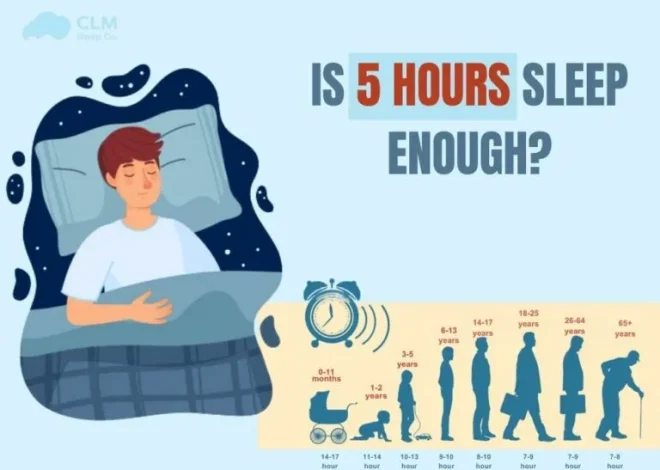
- 7–8 hours per night
- A consistent bedtime routine
Helpful habits:
- Reduce screen time before bed
- Drink herbal tea
- Read or meditate
- Relax your mind before sleeping
10. Manage stress intentionally
Stress is unavoidable—but manageable.
Try:
- Journaling
- Meditation
- Deep breathing
- Walking outdoors
Even 5 minutes a day can significantly improve mental clarity and emotional balance.
11. Create a simple morning routine
Your morning sets the tone for your entire day.
Keep it simple:
- Drink water or coffee mindfully
- Take a short walk
- Stretch your body
- Practice gratitude or deep breathing
Consistency matters more than duration.
12. Avoid negative self-talk
You won’t be perfect every day—and that’s normal.
Instead of criticizing yourself:
- Reflect on what didn’t work
- Adjust for next time
- Keep moving forward
Positive thinking supports long-term discipline and motivation.
13. Never give up
Healthy living is not about perfection—it’s about persistence.
You will have days when:
- You skip workouts
- You eat unhealthy food
- You sleep poorly
What matters is not quitting. Progress always comes from consistency over time.
Final Thoughts
Staying healthy while being busy is absolutely possible—but it requires simplicity, structure, and patience.
You don’t need drastic changes. You need sustainable habits.
Start small, stay consistent, and remember: your health is a long-term investment, not a short-term project.
Keep going—you’re doing better than you think.