14 Essential Vitamins and Nutrients Your Body Needs for Optimal Health
A well-balanced diet is the foundation of good health. Every system in the human body depends on essential nutrients to function properly, and a lack of key vitamins can lead to fatigue, weakened immunity, and serious long-term health issues. Understanding these nutrients helps you make smarter dietary choices and maintain overall well-being.
Below are 14 essential vitamins and nutrients your body needs to stay healthy and strong.
1. Vitamin A
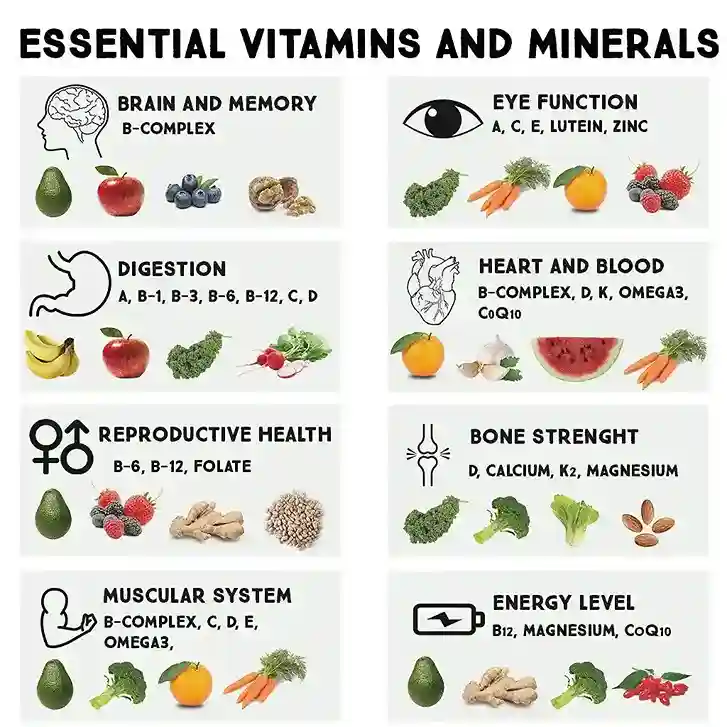
Vitamin A plays a key role in cell growth, vision, and immune function. It also supports healthy skin, teeth, bones, and soft tissues. A deficiency may lead to vision problems such as night blindness.
Sources: eggs, salmon, dairy products, carrots, and leafy vegetables.
2. Vitamin D
Vitamin D is essential for strong bones and teeth because it helps the body absorb calcium. It also supports immune health and brain function.
Sources: sunlight exposure, fortified milk, fish, egg yolks, and fish liver oil.
3. Vitamin E
Vitamin E acts as a powerful antioxidant that protects cells from damage and supports red blood cell health.
Sources: nuts, seeds, vegetable oils, spinach, and fortified cereals.
4. Vitamin K
Vitamin K is essential for proper blood clotting and bone health.
Sources: broccoli, spinach, kale, liver, and green leafy vegetables.
5. Vitamin C
Vitamin C strengthens the immune system, promotes wound healing, and improves blood vessel health. It is also a strong antioxidant.
Sources: oranges, lemons, strawberries, bell peppers, and kiwi.
6. Vitamin B1 (Thiamine)
Vitamin B1 supports energy production, nerve function, and digestion.
Sources: whole grains, pork, seeds, legumes, and fortified cereals.
7. Vitamin B2 (Riboflavin)
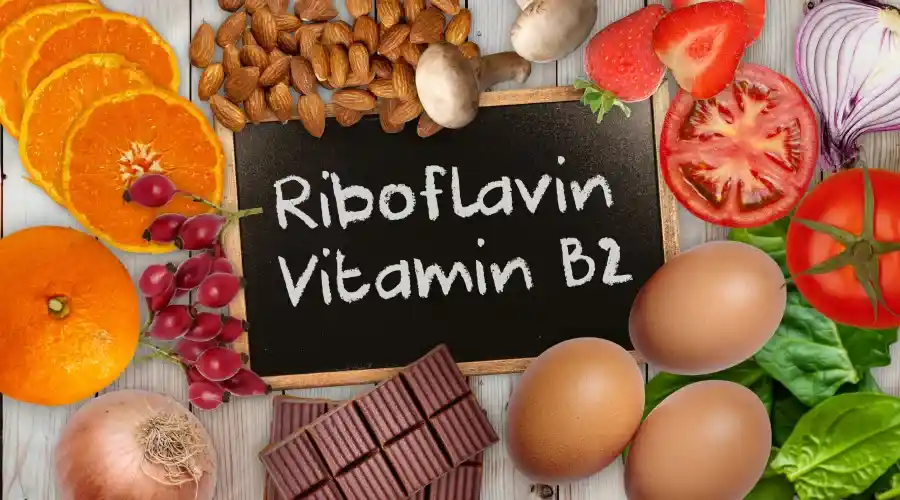
Vitamin B2 helps convert food into energy and supports skin, eye, and nerve health.
Sources: dairy products, eggs, lean meats, mushrooms, and grains.
8. Vitamin B3 (Niacin)
Vitamin B3 is important for metabolism, energy production, and maintaining healthy cholesterol levels.
Sources: poultry, fish, peanuts, legumes, and fortified bread.
9. Vitamin B5 (Pantothenic Acid)
Vitamin B5 supports hormone production and energy metabolism. It is found in many foods.
Sources: chicken, avocados, eggs, whole grains, and vegetables.
10. Vitamin B6
Vitamin B6 helps the body process proteins, carbohydrates, and fats while supporting brain development and immune health.
Sources: bananas, fish, poultry, potatoes, and whole grains.
11. Vitamin B7 (Biotin)
Vitamin B7 supports healthy hair, skin, nails, and metabolism.
Sources: eggs, nuts, soybeans, whole grains, and yeast.
12. Vitamin B9 (Folate)
Vitamin B9 is essential for DNA synthesis and red blood cell production. It is especially important during pregnancy to prevent birth defects.
Sources: leafy greens, asparagus, avocado, beans, and fortified grains.
13. Vitamin B12
Vitamin B12 is crucial for nerve function, DNA production, and red blood cell formation.
Sources: meat, fish, eggs, dairy products, and fortified cereals.
14. Choline
Choline is important for brain development, liver function, muscle movement, and metabolism.
Sources: eggs, liver, fish, nuts, and cruciferous vegetables.
Final Thoughts
Maintaining a balanced intake of these essential vitamins and nutrients is key to long-term health. A varied diet rich in fruits, vegetables, whole grains, and protein sources can help ensure your body gets everything it needs to function at its best.
If you consistently lack these nutrients, consider consulting a healthcare professional for dietary advice or supplementation guidance.
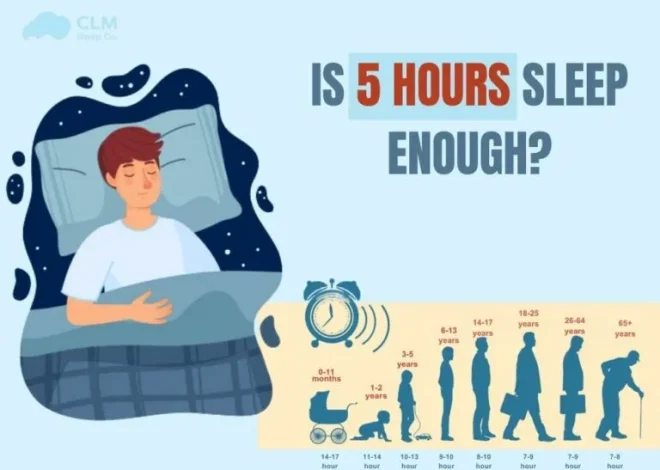
In addition to including individual vitamins in your diet, it is important to focus on overall dietary balance rather than relying on supplements alone. A nutrient-rich eating pattern that combines fresh fruits, vegetables, whole grains, healthy fats, and high-quality protein sources can naturally provide most of the essential vitamins your body needs. Lifestyle factors such as regular physical activity, adequate sleep, and proper hydration also play a key role in improving nutrient absorption and supporting overall metabolic health. By maintaining consistency in healthy eating habits, you can strengthen your immune system, improve energy levels, and reduce the risk of chronic diseases in the long term.