

How to Wake Up Naturally Without an Alarm: Science-Backed Tips for Better Mornings
Wake Up – Waking up without an alarm might sound unrealistic in today’s busy world—but it’s absolutely possible. By aligning your habits with your body’s natural sleep-wake cycle, you can train yourself to wake up feeling refreshed, alert, and ready to start the day—no harsh alarm needed.
In this guide, you’ll discover practical, science-backed strategies to reset your internal clock and wake up naturally every morning.
Why Waking Up Without an Alarm Matters
Relying on an alarm can interrupt your sleep cycle at the wrong time, leaving you groggy and disoriented. This phenomenon, often called sleep inertia, can negatively affect your mood, focus, and productivity.
Learning to wake up naturally helps:
- Improve energy levels
- Boost mental clarity
- Reduce daytime fatigue
- Support overall sleep quality
The key lies in optimizing your circadian rhythm—your body’s internal 24-hour clock.
1. Use Morning Light to Reset Your Body Clock
Exposure to natural light in the morning is one of the most powerful ways to regulate your circadian rhythm.
Sunlight signals your brain to stop producing melatonin (the sleep hormone) and increase alertness.
Tips:
- Get at least 20–30 minutes of sunlight each morning
- Open your curtains immediately after waking
- Spend time outdoors if possible
If natural light is limited, especially during darker seasons, consider using a bright light therapy lamp.
2. Simulate Sunrise for a Gentle Wake-Up
If waking with natural sunlight isn’t realistic, a dawn simulation device can help.
These devices gradually brighten your room 15–45 minutes before your desired wake time, mimicking a natural sunrise. This gentle transition encourages your body to wake up gradually instead of abruptly.
3. Stick to a Consistent Sleep Schedule
Consistency is crucial when training your body to wake up naturally.
Going to bed and waking up at the same time every day helps your internal clock stabilize.
Best practices:
- Maintain the same schedule—even on weekends
- Aim for 7–9 hours of sleep per night
- Avoid large shifts in bedtime
Irregular sleep patterns can disrupt your rhythm and make natural waking much harder.
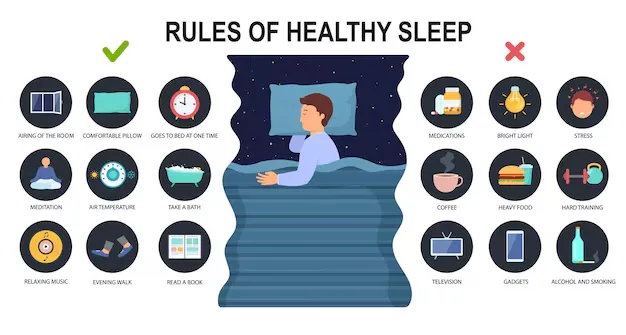
4. Reduce Light Exposure Before Bed
Artificial light at night—especially from screens—can delay sleep and interfere with melatonin production.
What to do:
- Dim lights 1–2 hours before bedtime
- Limit screen time (phones, laptops, TVs)
- Use blue light filters or glasses if needed
Creating a darker environment signals your body that it’s time to wind down.
5. Avoid Common Sleep Disruptors
Certain habits can quietly sabotage your sleep quality and prevent natural waking.
Watch out for:
- Caffeine: Avoid in the late afternoon and evening
- Alcohol: Disrupts sleep cycles
- Nicotine: Acts as a stimulant
- Heavy meals at night: Can cause discomfort and poor sleep
Keeping your evenings calm and light helps your body rest more effectively.
6. Take Smart Naps
Napping can be beneficial—but only if done correctly.
Nap guidelines:
- Keep naps under 20 minutes
- Avoid napping after 3 PM
Long or late naps can interfere with nighttime sleep, making it harder to wake up naturally the next day.
7. Exercise Regularly (But Not Too Late)
Daily physical activity promotes deeper and more restorative sleep.
However, timing matters.
Recommendations:
- Exercise earlier in the day if possible
- Avoid intense workouts within 2 hours of bedtime
A well-timed workout supports your body’s natural rhythm without overstimulating it before sleep.
8. Be Patient With the Process
Resetting your circadian rhythm doesn’t happen overnight.
Your body needs time to adapt to new habits and schedules. Some people naturally wake earlier than others, depending on their biological chronotype.
Stay consistent and patient, and you’ll gradually notice improvements.
Final Thoughts
Waking up without an alarm isn’t about forcing yourself—it’s about working with your body.
By optimizing light exposure, maintaining a consistent schedule, and building healthy sleep habits, you can train your body to wake up naturally and feel energized every morning.
Start small, stay consistent, and let your internal clock do the rest.