
From Small Change to Big Wealth: 20 Daily Money Habits That Work on Autopilot
Discover 20 simple daily money habits that can help you save thousands each year and build long-term wealth effortlessly. Start small, stay consistent, and grow your finances on autopilot.
Can Small Daily Choices Really Build Wealth?

What if the secret to financial success isn’t earning more—but managing small daily decisions better?
Surprisingly, how you handle just a few dollars each day can have a bigger long-term impact than occasional large investments. The reason is simple: consistency compounds. When repeated daily, small money habits quietly shape your financial future.
This guide reveals 20 practical habits that require minimal effort but can generate significant financial results over time.
1. Check Your Bank Balance Every Morning
Start your day with awareness. A quick glance at your bank account helps you:
- Track available funds
- Spot unusual transactions
- Avoid overdraft fees
This simple habit builds financial clarity and control.
2. Set a Daily Spending Limit
Before leaving home, define your spending cap (e.g., $40/day). This creates a psychological boundary that reduces impulse buying and keeps your finances intentional.
3. Prepare Your Lunch in Advance
Packing lunch the night before can save $10–$15 daily. Even doing this twice a week could save you around $1,000 per year.
4. Brew Coffee at Home
A daily café coffee adds up fast. Making your own costs under $1 per cup and could save you over $1,500 annually.
5. Review Yesterday’s Expenses
Take 2 minutes each morning to check what you spent yesterday. This helps identify wasteful habits early and keeps your budget on track.
6. Carry a Reusable Water Bottle
Buying drinks daily can cost hundreds per month. Bringing your own water cuts unnecessary spending while keeping you healthy.
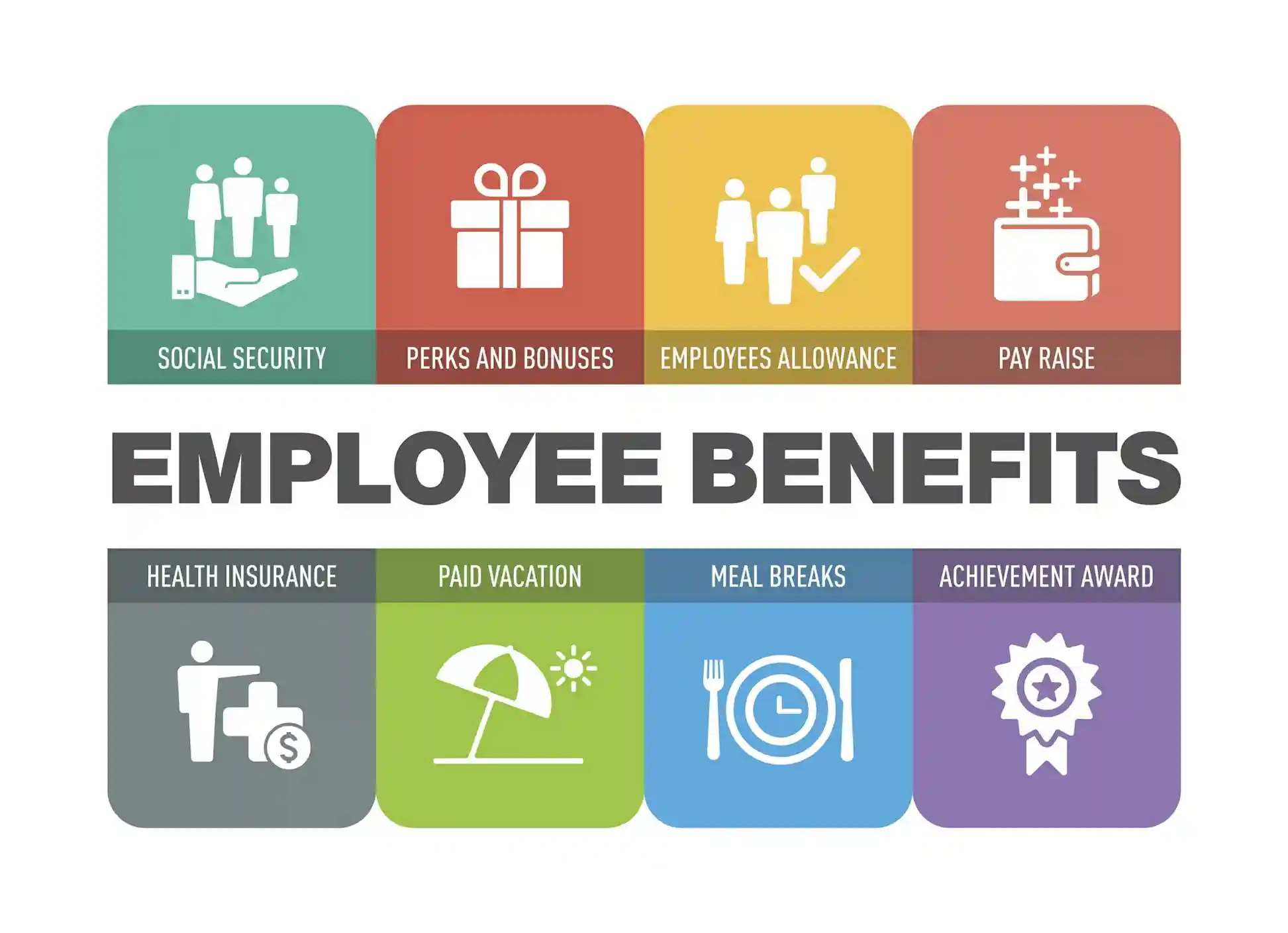
7. Use Workplace Benefits
Take advantage of perks like:
- Free snacks
- Gym access
- Learning stipends
Maximizing these can save $50–$100 monthly.
8. Walk or Bike for Short Trips
Skip ride-hailing for distances under 2 miles. This not only saves money but also improves your health.
9. Bring Snacks from Home
Avoid vending machines. Packing snacks can cut your snack spending by more than half.
10. Compare Prices Before Buying
Before spending over $20, take 3 minutes to compare prices online. This can reduce costs by 10–30%.
11. Wait 24 Hours Before Big Purchases
For items over $50, pause for a day. This prevents emotional spending and helps you make smarter decisions.
12. Always Check at Least Three Prices
Never settle for the first price you see. Comparing options builds long-term saving habits and protects you from overpaying.
13. Use Cashback Apps
Apps like cashback tools can return 1–5% on purchases—money you would otherwise lose.
14. Choose Generic Brands
Switch to store brands for everyday items. You’ll often save 20–40% without sacrificing quality.
15. Use Cash for Personal Spending
Set a weekly cash budget for non-essential expenses. When the cash is gone, spending stops—simple and effective.
16. Track Expenses Before Bed
Spend 2 minutes logging your daily expenses. Over time, this builds awareness and highlights spending patterns.
17. Plan Meals Ahead
Preparing meals in advance helps you avoid expensive takeout, saving up to $150 monthly.
18. Save Spare Change Automatically
Use round-up apps or save loose change. Small amounts add up into meaningful savings over time.
19. Check Credit Card Transactions Daily
A quick review helps catch errors, prevent fraud, and avoid unnoticed subscriptions draining your money.
20. Learn Something About Money Every Day
Spend 10 minutes reading or listening to financial content. Better knowledge leads to smarter decisions and long-term growth.
How to Make These Habits Stick
You don’t need to adopt all 20 habits at once.
Start with just 2–3 simple habits, such as:
- Checking your balance
- Setting a daily limit
- Bringing your own water
Once they become routine, gradually add more.
A powerful technique is habit stacking—pairing a new habit with an existing one:
- Check finances while drinking coffee
- Log expenses before brushing your teeth
The Real Financial Impact
Small expenses may seem insignificant, but they add up fast:
- $5/day = $150/month
- $150/month = $1,800/year
Combine multiple habits, and you could save $3,000–$8,000 annually.
Now imagine investing that money consistently. Over time, it could grow into hundreds of thousands of dollars thanks to compound interest.
Final Thoughts
Financial freedom isn’t built overnight—it’s created through daily discipline.
These habits work because they’re simple, repeatable, and automatic. Over time, they transform your mindset, your behavior, and ultimately your financial future.
Start small. Stay consistent. Let your habits do the heavy lifting.