
Sleep and Brain Health: How Poor Sleep Increases Stroke and Cognitive Decline Risk
Sleep is often treated as optional in modern life, but science shows it is essential for both heart and brain health. Research highlighted by American Heart Association and experts from Harvard Medical School reveals that poor or disrupted sleep is strongly linked to an increased risk of stroke—including so-called “silent strokes” that go unnoticed until long-term damage occurs.
Even if you are getting enough hours in bed, the quality of your sleep may determine how well your brain functions and how healthy your blood vessels remain.
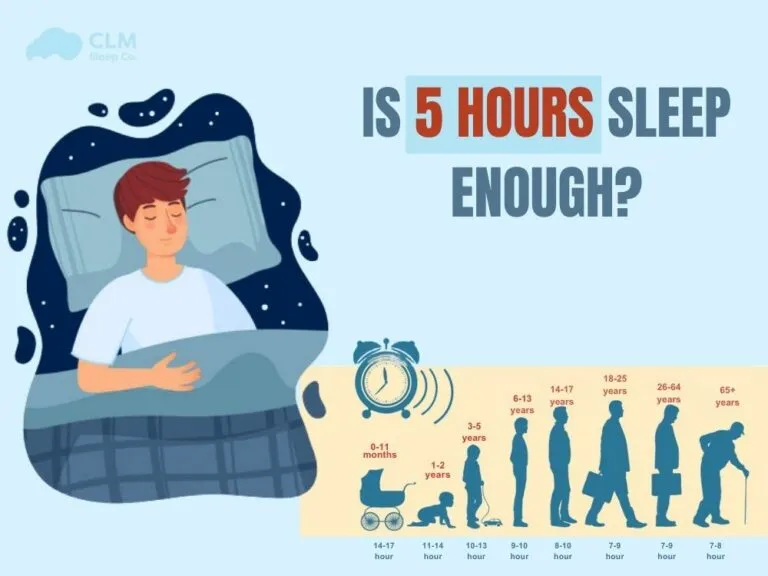
How Much Sleep Do You Really Need?
Health experts recommend that adults aim for 7–9 hours of sleep per night. However, according to sleep specialist Susan Redline, sleep quality is just as important as sleep duration.
Fragmented sleep—frequent waking during the night—can prevent your body from reaching deep restorative stages of sleep, even if the total hours seem sufficient.
What Happens When Sleep Is Disrupted?
Poor sleep is not just about feeling tired the next day. Over time, it can negatively affect:
- Blood pressure regulation
- Brain blood vessel health
- Cognitive performance
- Risk of cerebrovascular disease
A scientific statement published in the journal Stroke (supported by American Heart Association) highlights that disrupted sleep may contribute to brain vessel damage and increase the likelihood of both major and silent strokes.
Common Causes of Poor Sleep Quality
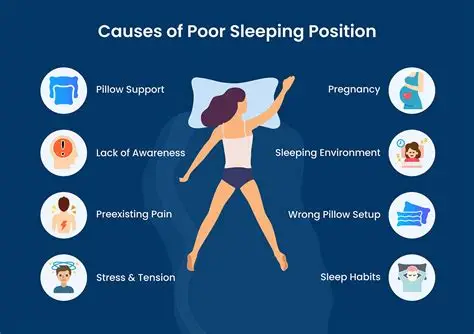
Several conditions and lifestyle factors can interfere with healthy sleep:
1. Insomnia
Difficulty falling or staying asleep, often linked to stress, anxiety, caffeine use, or poor sleep environment.
2. Obstructive Sleep Apnea
A serious disorder where breathing repeatedly stops during sleep due to airway blockage. This reduces oxygen levels and disrupts sleep cycles.
3. Periodic Limb Movement Disorder
Involuntary leg movements during sleep that cause repeated awakenings.
4. Environmental & Lifestyle Factors
- Excessive noise or light
- Uncomfortable sleeping environment
- Alcohol or caffeine consumption
- Chronic pain
Why Deep Sleep Is Critical for Brain Health
During deep sleep (slow-wave sleep), the body performs essential repair functions:
- Blood pressure drops to its lowest level
- Heart rate slows
- Brain detoxification processes activate
One key system involved is the glymphatic system, which clears waste products such as beta-amyloid—proteins linked to Alzheimer’s disease.
When deep sleep is reduced, this cleansing process becomes less effective, potentially increasing long-term neurological risks.
The Risk of “Silent” Brain Damage
Fragmented sleep, especially from conditions like sleep apnea, can trigger nighttime spikes in blood pressure and stress hormones such as epinephrine.
Over time, this may cause:
- Small vessel damage in the brain
- Microbleeds or tiny clots
- Silent strokes (no obvious symptoms)
Repeated silent strokes can eventually contribute to serious cognitive decline, including vascular dementia.
When Should You Be Concerned?
You may have a sleep disorder if you:
- Wake up feeling unrefreshed despite 7–9 hours of sleep
- Experience excessive daytime fatigue
- Snore loudly or gasp during sleep
- Frequently wake up during the night
Sleep experts recommend consulting a healthcare professional if these symptoms persist.
Expert Insight
According to research reviewed by Christopher P. Cannon and published insights from Harvard Health Publishing, improving sleep quality is now considered a key factor in preventing cardiovascular and cerebrovascular diseases.
How to Protect Your Brain Through Better Sleep
To improve sleep and reduce health risks:
- Maintain a consistent sleep schedule
- Avoid caffeine late in the day
- Keep your bedroom dark and quiet
- Treat underlying conditions like sleep apnea
- Seek medical advice if sleep problems persist
Final Thoughts
Sleep is not just rest—it is a critical biological process that protects your brain, heart, and overall health. Chronic poor sleep can silently damage blood vessels in the brain, increasing the risk of stroke and long-term cognitive decline.
Prioritizing high-quality sleep today is one of the most powerful investments you can make in your future brain health.