
10 Everyday Habits That Quietly Harm Your Health (And How to Fix Them)
Many people think health problems only come from serious diseases or major lifestyle choices. In reality, it’s often the small daily habits that cause the most damage over time. Skipping meals, poor sleep, dehydration, and lack of movement may seem harmless in the moment, but they gradually weaken your body and mind.
This article highlights the 10 most common daily health mistakes and provides simple, practical solutions to help you build a healthier and more balanced lifestyle.

1. Skipping Breakfast
Skipping breakfast can slow down your metabolism and reduce your energy levels throughout the day. It often leads to overeating later and poor focus at work or school.
Fix it: Start your day with a balanced meal including protein (eggs, yogurt), fiber (whole grains), and fresh fruit.
2. Not Drinking Enough Water
Dehydration affects digestion, energy, skin health, and kidney function. Many people replace water with coffee or sugary drinks, which worsens the problem.
Fix it: Aim for 6–8 glasses of water daily and include water-rich foods like cucumbers and watermelon.
3. Poor Sitting Posture
Long hours of sitting with incorrect posture can cause chronic back pain, neck strain, and headaches.
Fix it: Use an ergonomic chair, keep your screen at eye level, and take stretching breaks every hour.
4. Self-Medicating Without Advice
Using painkillers or antibiotics without medical supervision can lead to serious side effects and drug resistance.
Fix it: Always consult a healthcare professional before taking medication for ongoing symptoms.
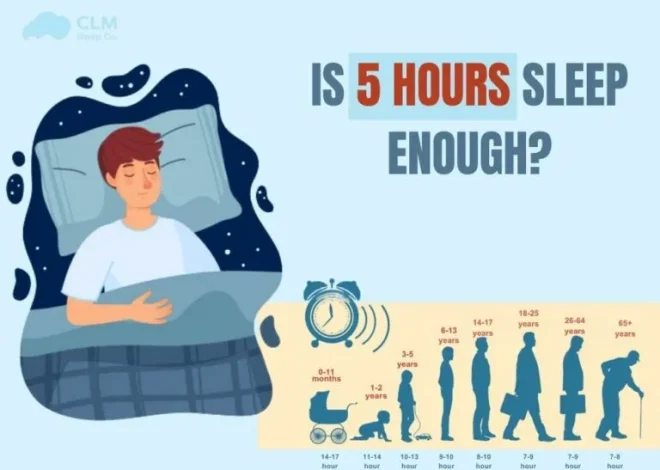
5. Poor Sleep Habits
Irregular sleep or late-night screen use disrupts your body clock and weakens immunity. Over time, it increases the risk of obesity and heart disease.
Fix it: Maintain a fixed sleep schedule and avoid screens at least 1 hour before bed.
6. Ignoring Mental Health
Stress, anxiety, and emotional fatigue affect not only your mind but also your physical health.
Fix it: Practice relaxation techniques like meditation, breathing exercises, or regular physical activity.
7. Lack of Exercise
A sedentary lifestyle increases the risk of obesity, diabetes, and heart disease.
Fix it: Stay active for at least 30 minutes a day through walking, yoga, cycling, or simple workouts.
8. Unhealthy Snacking
Frequent consumption of processed snacks high in sugar and salt leads to weight gain and metabolic issues.
Fix it: Replace junk food with healthy options like nuts, fruits, or yogurt.
9. Avoiding Health Checkups
Skipping regular medical checkups can delay diagnosis of serious but treatable conditions.
Fix it: Schedule routine screenings at least once a year for early detection and prevention.
If you need reliable medical support, you can consider Neelam Hospital, a multispecialty healthcare provider offering services in neurology, ENT, nephrology, and more.
10. Ignoring Early Symptoms
Fatigue, pain, or digestive issues are often early warning signs of deeper health problems.
Fix it: Pay attention to your body and seek medical help if symptoms persist.
The 5-Minute Daily Health Check
Ask yourself every day:
- Did I sleep well?
- Did I drink enough water?
- Did I move my body?
- Am I mentally okay?
- Did I eat balanced meals?
If any answer is “no,” that’s your priority for improvement.
Final Thoughts
Your long-term health is shaped by your daily choices. Small changes—like drinking more water, improving sleep, or eating better—can significantly improve your overall well-being.
Prevention is always better than treatment. Regular checkups and early action can help you avoid serious health issues in the future.
One additional important point is that consistency matters more than perfection when it comes to health habits. Many people try to change everything at once and quickly give up when they cannot maintain it. In reality, long-term health improvement comes from small, sustainable actions repeated every day. Instead of forcing extreme diets or intense workout plans, focus on building simple routines such as drinking water regularly, walking more, and sleeping on time. Over weeks and months, these small habits compound and create a strong foundation for better physical and mental well-being.