8 Expert Tips to Perfect Your Squat Form and Avoid Injury
Squats are one of the most powerful exercises you can add to your fitness routine. This compound movement targets your glutes, quadriceps, hamstrings, and core, helping you build strength, improve posture, and boost overall performance.
However, without proper form, squats can lead to discomfort—or worse, injury. In this guide, you’ll discover 8 expert-backed ways to improve your squat technique, avoid common mistakes, and get the most out of every rep.
Why Proper Squat Form Matters
Mastering squat form is essential if you want to:
- Prevent knee, hip, and back injuries
- Activate the right muscle groups
- Increase strength and performance efficiently
- Improve balance and mobility
Before adding heavy weights, it’s crucial to build a solid foundation with correct technique.
What Is Proper Squat Form?
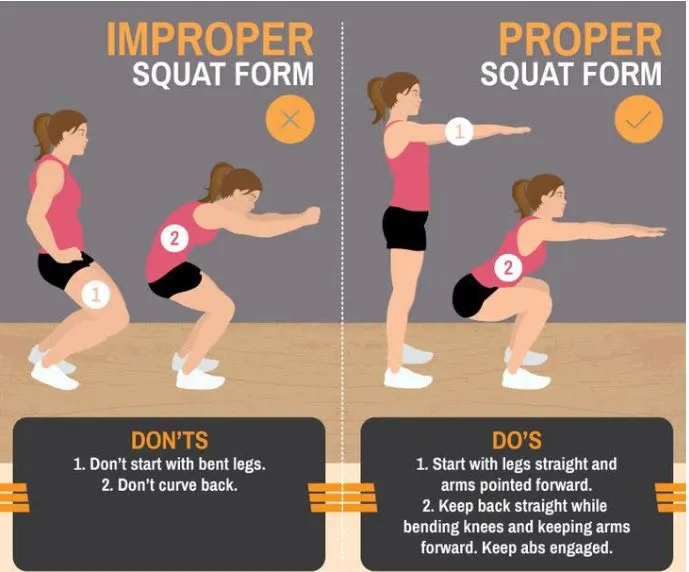
To perform a squat correctly, focus on these key elements:
- Foot placement: Stand with feet shoulder-width apart, toes slightly turned out (~10°)
- Posture: Keep your back straight, chest up, and shoulders pulled back
- Knee alignment: Knees should track forward, not collapse inward
- Core engagement: Tighten your core throughout the movement
- Depth: Lower until your thighs are parallel to the ground (or as far as comfortable)
- Control: Move slowly and avoid bouncing or jerking
8 Ways to Improve Your Squat Form
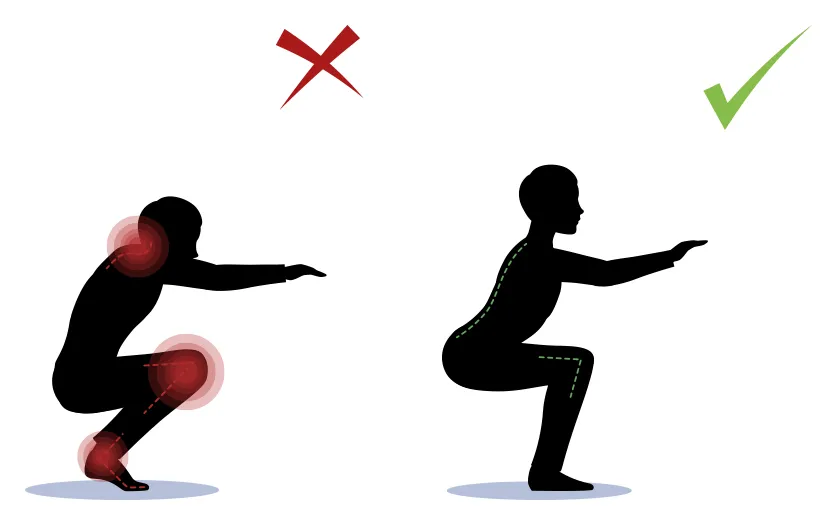
1. Keep Your Back Neutral
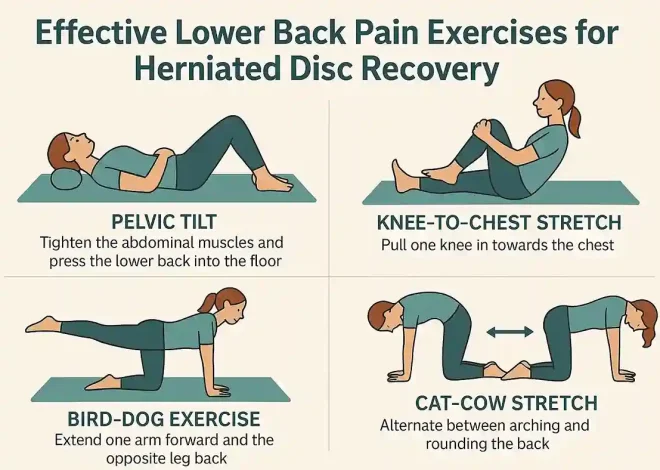
Avoid rounding your spine during squats. A neutral spine ensures proper muscle activation and reduces the risk of serious injuries like herniated discs.
2. Prevent Knees from Caving In
If your knees collapse inward, it often means weak glutes or hips.
Fix it: Practice bodyweight squats and focus on pushing your knees outward.
3. Keep Your Heels on the Ground
Lifting your heels can cause imbalance and knee strain.
Tip: Press your feet firmly into the floor and distribute weight evenly.
4. Master Proper Alignment Step-by-Step
Follow this simple sequence:
- Stand with feet shoulder-width apart
- Brace your core and keep your chest up
- Push your hips back like sitting in a chair
- Lower until thighs are parallel to the floor
- Drive through your heels to stand back up
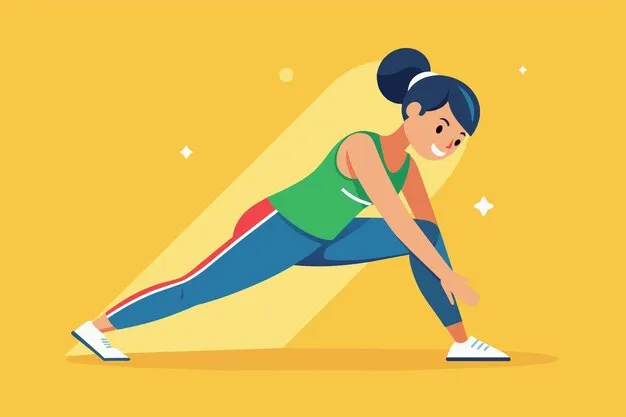
5. Improve Mobility and Flexibility
Better mobility allows deeper, safer squats. Add these to your routine:
- Ankle mobility stretch (improves squat depth)
- Hip flexor stretch (enhances hip alignment)
- Foam rolling (thoracic spine) (reduces stiffness and improves posture)
Always warm up for 5–10 minutes before training.
6. Progress Gradually with Variations
Once you master the basics, try these variations:
- Goblet Squat: Great for beginners learning depth and control
- Box Squat: Improves hip mobility and stability
- Pistol Squat: Advanced move for balance and strength
Avoid rushing into advanced variations to prevent injury.
7. Use Proper Breathing Techniques
Breathing helps maintain stability and control:
- Inhale through your nose before lowering
- Exhale slowly as you squat down
- Take a short breath at the bottom
- Inhale again as you return to standing
8. Use Feedback to Correct Your Form
Sometimes you can’t spot your own mistakes. Use tools like:
- Mirrors to monitor posture
- Video recordings to analyze technique
- Personal trainers or workout partners for real-time corrections
Common Squat Mistakes to Avoid
- Rounding your back
- Letting knees collapse inward
- Lifting heels off the ground
- Moving too fast or without control
- Using weights before mastering form
Don’t Forget Recovery and Rest
Your muscles need time to recover and grow stronger.
- Take at least 2 rest days per week
- Stay hydrated and eat properly
- Get enough sleep to support muscle repair
- Stop training if you feel pain or extreme fatigue
Final Thoughts
Squats are a foundational exercise that can transform your strength, mobility, and overall fitness. But the key to success lies in consistency and proper technique.
Start with the basics, listen to your body, and gradually progress. Over time, you’ll build stronger muscles, better balance, and more confidence in your workouts.