Cardio vs Weightlifting for Weight Loss: Which Workout Works Best?
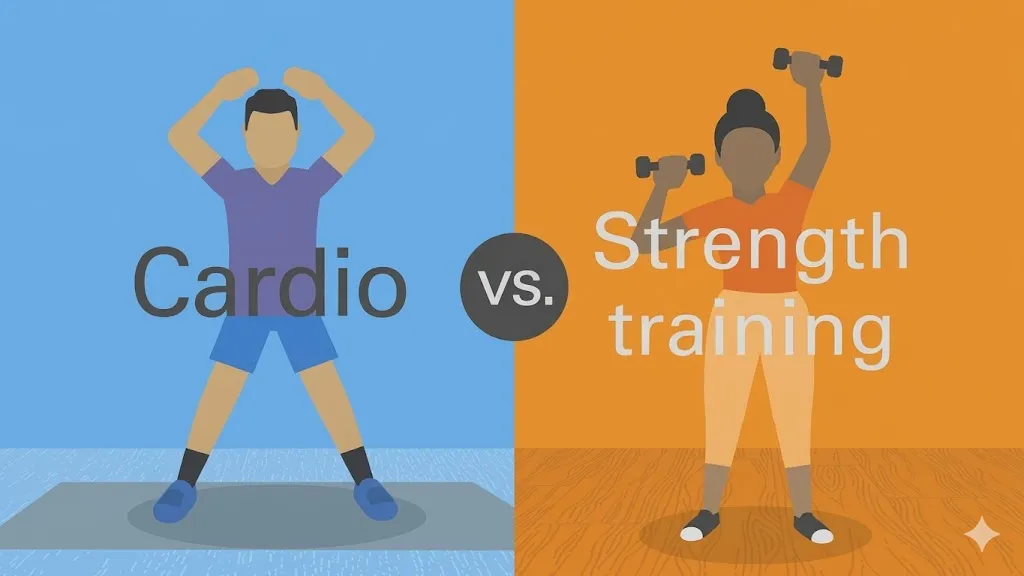
Losing weight often raises a common question: Should you focus on cardio or weightlifting? Both forms of exercise are widely used in fitness programs and can help reduce body fat. However, they work in different ways and provide unique benefits.
Some people burn calories faster with cardio, while others build muscle through strength training that helps burn calories over time. High-intensity workouts like HIIT combine elements of both and can deliver similar results in less time.
In this guide, we’ll break down the differences between cardio and weight training, their impact on fat loss, and how combining them with the right diet can help you achieve long-term weight management.
Table of Contents
ToggleCardio Burns More Calories Per Workout
Cardiovascular exercises — such as running, cycling, swimming, or brisk walking — are often associated with quick calorie burn.
During a typical workout session, cardio usually burns more calories than weight training when performed for the same duration and effort level. The total calories burned depends mainly on:
- Body weight
- Workout intensity
- Duration of exercise
For example, a moderate cycling session for about 30 minutes may burn roughly 140–150 calories, while a more intense ride can burn nearly 300 calories within the same time frame.
This is why cardio is frequently recommended for people starting a weight-loss journey. The higher immediate calorie burn helps create a calorie deficit, which is essential for losing weight.
Key takeaway: Cardio workouts burn more calories during the session itself, especially when intensity increases.
Weight Training Improves Body Composition
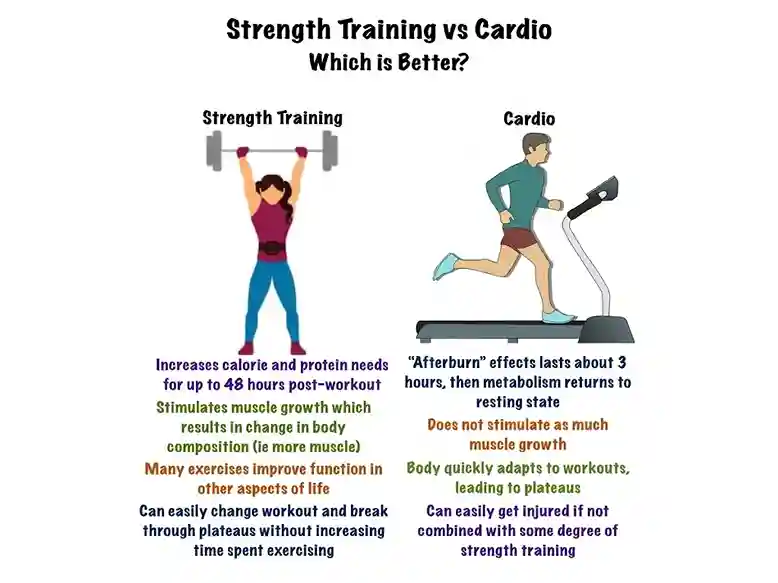
While weightlifting may burn fewer calories during the workout, it provides a powerful long-term advantage: muscle growth.
Strength training exercises include:
- Lifting dumbbells or barbells
- Resistance band workouts
- Bodyweight exercises like push-ups and squats
Muscle tissue requires more energy to maintain than fat tissue. As a result, building muscle can slightly increase your resting metabolic rate—the number of calories your body burns while at rest.
Another benefit is the afterburn effect. After an intense strength workout, your body continues burning calories for hours as it repairs and rebuilds muscle fibers.
Weight training also helps:
- Reduce body fat percentage
- Strengthen bones
- Improve posture and overall body shape
Interestingly, even if the number on the scale doesn’t change dramatically, you may notice physical improvements like a slimmer waist or more defined muscles.
Key takeaway: Weightlifting supports fat loss by building muscle and increasing long-term calorie burn.
HIIT: A Time-Efficient Alternative
High-Intensity Interval Training (HIIT) has become one of the most popular workouts for fat loss.
HIIT involves alternating between short bursts of intense exercise and brief recovery periods. A typical session may include activities like:
- Sprinting followed by walking
- Jump rope intervals
- Bodyweight exercises such as squats or burpees
These workouts often last 10–30 minutes, yet they can burn a significant number of calories.
Studies have shown that HIIT can burn 25–30% more calories compared with steady cardio or traditional weightlifting sessions performed for the same duration. It also helps reduce body fat and waist circumference.
Another advantage is flexibility. HIIT can be combined with various exercises including:
- Running or cycling
- Bodyweight movements
- Dumbbell exercises
Key takeaway: HIIT offers similar fat-burning benefits to cardio and strength training but in a shorter amount of time.
Combining Cardio and Strength Training
Instead of choosing between cardio and weightlifting, many fitness experts recommend using both.
A balanced workout routine may include:
- Cardio for calorie burn and heart health
- Strength training for muscle development
- HIIT for efficient fat loss
Health guidelines suggest adults aim for:
- 150 minutes of moderate physical activity per week, or
- 75 minutes of vigorous activity, plus
- 2 days of strength training
Everyday activities also contribute to calorie burn, including:
- Walking
- Gardening
- Housework
- Taking the stairs
The more active you are throughout the day, the more energy your body uses.
Key takeaway: Mixing different exercise styles can improve weight loss results while enhancing overall fitness.
Why Diet Matters Just as Much as Exercise
Even the most effective workout routine cannot compensate for an unhealthy diet. Successful weight loss usually requires both exercise and nutritional balance.
Your body weight depends largely on the relationship between:
- Calories consumed
- Calories burned
If you consume the same number of calories that you burn, your weight will likely remain stable. Burning more calories than you eat creates a calorie deficit, which leads to weight loss.
For sustainable results, focus on:
- Nutrient-dense foods
- Moderate calorie reduction
- Consistent physical activity
Rather than drastically cutting calories, increasing daily movement often helps maintain results more effectively in the long term.
The Bottom Line
Both cardio and weightlifting can support weight loss and improve overall health.
- Cardio burns more calories during the workout.
- Weight training builds muscle and increases long-term calorie burn.
- HIIT provides efficient fat loss in shorter workout sessions.
The most effective approach is often combining cardio, strength training, and a balanced diet. This strategy helps you lose fat, maintain muscle, and support sustainable weight management.
Before starting a new exercise or diet program, it’s always a good idea to consult a healthcare professional—especially if you’re new to fitness or have existing health conditions.