6 Proven Daily Habits to Reduce Stress and Anxiety Naturally Introduction
Habits – In today’s fast-paced world, stress and anxiety have become common challenges. From work pressure to personal responsibilities, many people feel overwhelmed daily. The good news is that small, consistent lifestyle changes can significantly improve your mental well-being.
In this guide, you’ll discover 6 proven daily habits to reduce stress and anxiety naturally, helping you live a calmer, healthier, and more balanced life.
Why Managing Stress Is Essential for Your Health
Stress isn’t just a mental burden—it directly affects your body. When stress becomes chronic, it can:
- Increase cortisol (stress hormone) levels
- Raise blood pressure and heart rate
- Weaken the immune system
- Disrupt sleep and digestion
- Impact memory and brain function
If left unmanaged, stress can contribute to anxiety disorders, depression, and long-term health problems.
1. Stay Physically Active Every Day
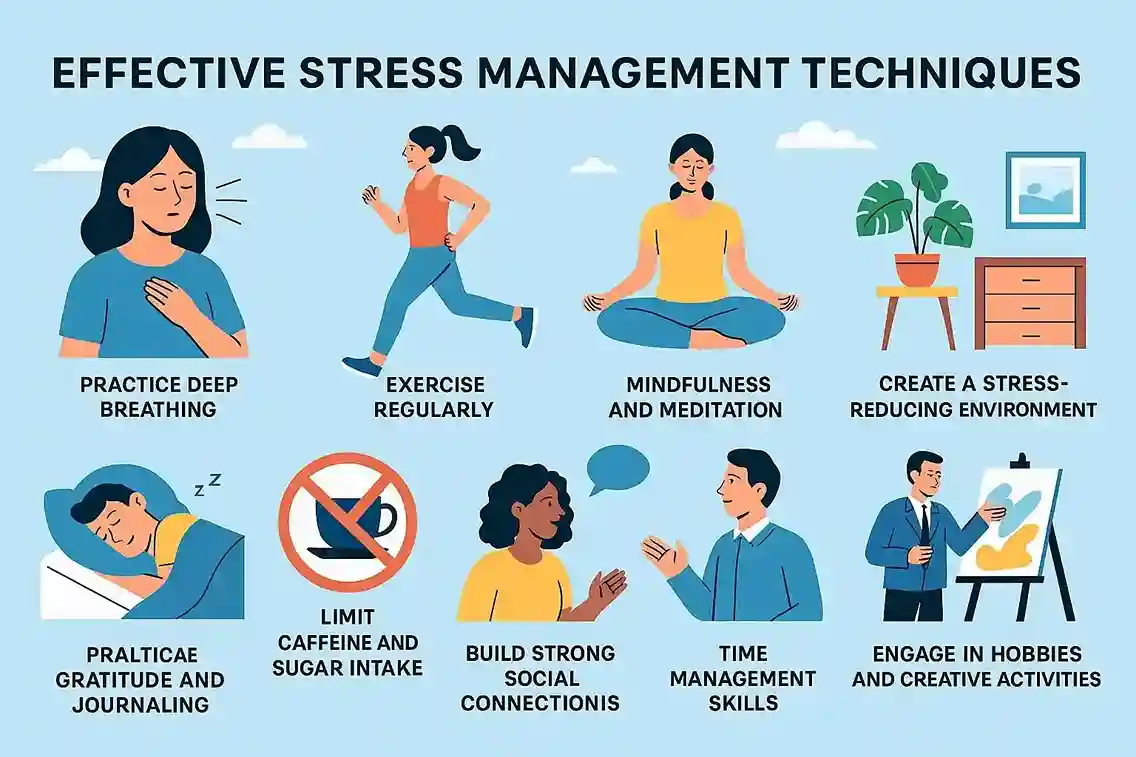
Regular exercise is one of the most effective ways to reduce stress naturally. You don’t need intense workouts—simple activities can make a big difference.
Benefits of Exercise for Stress Relief
- Lowers stress hormones
- Boosts endorphins (natural mood enhancers)
- Improves sleep quality
- Reduces muscle tension
- Enhances overall mood
Simple Ways to Stay Active
- Take a 30-minute walk
- Use stairs instead of elevators
- Do quick yoga sessions
- Dance to relaxing music
2. Eat a Balanced, Stress-Reducing Diet
Your diet plays a crucial role in how your body handles stress. Healthy eating supports both physical and mental well-being.
Foods That Help Reduce Stress
- Whole grains for steady energy
- Leafy greens rich in magnesium
- Fatty fish (like salmon) for omega-3
- Fresh fruits and vegetables
- Herbal teas such as chamomile or green tea
Foods to Limit
- Excess caffeine
- Sugary snacks
- Processed foods
- Alcohol
- Skipping meals
3. Prioritize Quality Sleep
Sleep is essential for emotional balance and recovery. Poor sleep can worsen stress and anxiety.
Effects of Sleep Deprivation
- Reduced focus and memory
- Increased irritability
- Weak immune system
- Higher stress levels
Tips for Better Sleep
- Maintain a consistent sleep schedule
- Avoid screens before bedtime
- Create a calm sleeping environment
- Limit caffeine in the evening
4. Practice Mindfulness and Deep Breathing
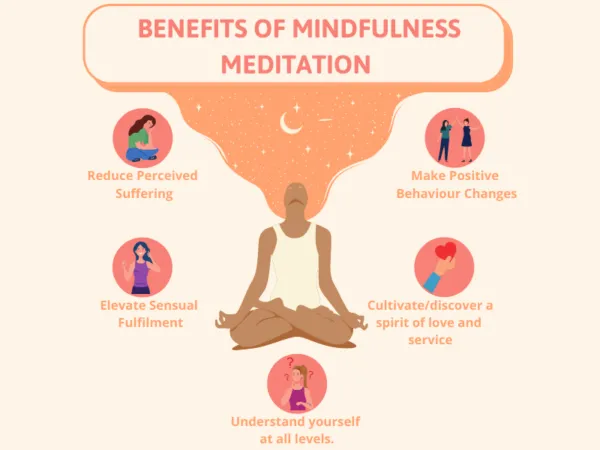
Mindfulness helps you stay present and calm, even during stressful situations.
Easy Breathing Technique
Try this simple method:
- Inhale for 4 seconds
- Hold for 4 seconds
- Exhale for 4 seconds
- Pause for 4 seconds
Daily Mindfulness Habits
- Start your day with 5 minutes of silence
- Focus on your breath during stressful moments
- Use grounding techniques (notice what you see, hear, and feel)
5. Build Healthy Daily Routines
Good habits create structure and reduce mental overload.
Helpful Daily Practices
- Use to-do lists to organize tasks
- Break large tasks into smaller steps
- Focus on priorities first
Social Connection Matters
- Talk to friends or family
- Share your thoughts and feelings
- Spend time doing enjoyable activities
6. Make Time for Self-Care and Support
Taking care of yourself is not a luxury—it’s a necessity.
Self-Care Ideas
- Take short breaks during the day
- Enjoy hobbies you love
- Practice gratitude or journaling
When to Seek Help
If stress becomes overwhelming, consider professional support. Signs include:
- Persistent anxiety or sadness
- Difficulty functioning daily
- Physical symptoms like fatigue or headaches
- Relationship or work struggles
The Long-Term Impact of Stress
Chronic stress can lead to serious health issues such as:
- Heart disease and high blood pressure
- Digestive problems
- Anxiety disorders
- Depression
That’s why building daily stress-management habits is essential for long-term health.
Sample Daily Routine to Reduce Stress
Here’s a simple plan you can follow:
Morning
- Light exercise or stretching
- Healthy breakfast
- 5-minute mindfulness practice
Afternoon
- Stay hydrated
- Eat a balanced lunch
- Take short breaks
Evening
- Relax with music or reading
- Eat a light dinner
- Reflect or journal before bed
Start Small, Stay Consistent
You don’t need to change everything at once. Start with one habit and gradually build a routine that works for you. Consistency matters more than perfection.
Conclusion
Reducing stress and anxiety doesn’t require drastic changes. By adopting these 6 simple daily habits, you can improve your mental clarity, emotional balance, and overall quality of life.
Take the first step today—your future self will thank you