

How Much Water Should You Drink a Day? A Complete Guide to Staying Hydrated
Water – Staying hydrated is essential for maintaining overall health, but how much water should you actually drink each day? While the common “8 glasses a day” rule is widely known, the truth is that your daily water needs depend on several personal factors.
In this guide, we’ll break down how much water you need, the benefits of hydration, and practical tips to help you drink enough every day.
Why Is Water Important for Your Body?
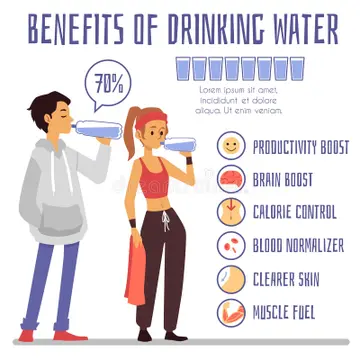
Water makes up about 60% of your body weight and plays a vital role in nearly every bodily function. It helps to:
- Flush toxins from your body
- Transport nutrients to cells
- Aid digestion
- Regulate body temperature
- Cushion joints and protect tissues
Without enough water, you may become dehydrated, leading to symptoms like dizziness, fatigue, confusion, and in severe cases, serious health complications.
How Much Water Should You Drink Each Day?
There is no one-size-fits-all answer, but general guidelines can help:
- Men: About 13 cups (3 liters) per day
- Women: About 9 cups (2–2.2 liters) per day
- Pregnant women: Around 10 cups daily
- Breastfeeding women: About 12 cups daily
Factors That Affect Your Water Needs
Your hydration needs may increase if you:
- Exercise frequently
- Live in a hot or humid climate
- Are sick (fever, vomiting, diarrhea)
- Sweat heavily
On the other hand, certain health conditions (like kidney or heart issues) may require limiting fluid intake—always consult a healthcare professional in such cases.
How Much Water Should Kids Drink?
Children also need proper hydration, but their needs vary by age:
- Ages 1–3: ~4 cups/day
- Ages 4–8: ~5 cups/day
- Older kids & teens: 6–8 cups/day
During physical activity, kids should drink ½ to 2 cups of water every 15–20 minutes.
Important: Babies under 6 months should not drink plain water, as breast milk or formula provides all necessary hydration.
Top Benefits of Drinking Enough Water

Proper hydration supports your body in many ways:
- Removes waste through urine, sweat, and stool
- Maintains normal body temperature
- Lubricates joints
- Protects sensitive tissues
- Improves skin hydration and appearance
Can Drinking Water Help You Lose Weight?
Drinking water may support weight loss indirectly:
1. Boosts Metabolism
Cold water can slightly increase calorie burning as your body warms it up.
2. Reduces Appetite
Drinking water before meals may help you feel full faster. Some studies show people eat up to 22% less.
3. Cuts Calorie Intake
Replacing sugary drinks with water reduces daily calorie consumption.
While water alone won’t cause dramatic weight loss, it supports a healthier, more active lifestyle.
What Counts Toward Your Daily Water Intake?
Your total fluid intake includes:
Healthy Sources:
- Plain water
- Fruits and vegetables (e.g., watermelon, cucumber, lettuce)
- Soups and broths
Be Careful With:
- Coffee & tea: Contain caffeine (mild diuretic)
- Alcohol: Can dehydrate you
- Sports drinks: High in sugar and calories
- Energy drinks: High caffeine, not recommended for teens
Can You Drink Too Much Water?
Yes, although it’s rare.
Drinking excessive amounts of water can lead to hyponatremia, a condition where sodium levels in the blood become dangerously low. This can cause:
- Nausea
- Confusion
- Swelling of cells
- In severe cases, life-threatening complications
Athletes and people who overhydrate during intense exercise are at higher risk.
Simple Tips to Drink More Water
If you struggle to stay hydrated, try these tips:
- Carry a reusable water bottle
- Add lemon, cucumber, or fruit for flavor
- Drink water before meals
- Eat water-rich foods
- Replace sugary drinks gradually
- Order water when dining out
How Do You Know If You’re Drinking Enough Water?
You’re likely well-hydrated if:
- You rarely feel thirsty
- Your urine is clear or light yellow
If both are true, you’re probably meeting your body’s hydration needs.
Conclusion
There’s no universal rule for how much water you should drink daily. Your needs depend on your lifestyle, environment, and overall health. However, staying consistently hydrated is key to supporting your body’s essential functions and overall well-being.
Start by listening to your body, drinking regularly throughout the day, and making water your go-to beverage.