
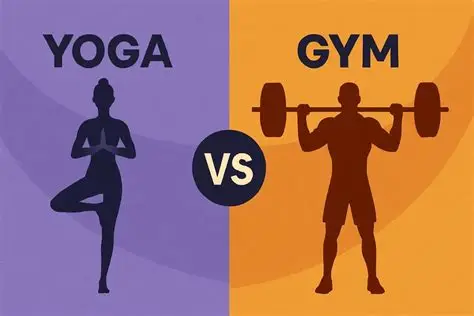
Gym vs Yoga? Why the Smartest Fitness Routine Combines Both for Maximum Results
How to Combine Gym Workouts and Yoga for a Balanced, Stronger Body
Fitness is an essential part of a healthy lifestyle, but relying on just one type of exercise may limit your overall progress. Many people stick to what they enjoy most—whether it’s weight training, cardio, or yoga—but true total-body fitness requires more than a single approach.
So, is one workout style enough?
The short answer is no.
Each form of exercise plays a unique role:
- Gym workouts build strength and muscle mass
- Yoga improves flexibility, balance, and mental focus
- Cardio training supports heart and lung health
When combined, these methods create a complete, well-rounded fitness system that enhances both physical and mental performance.
Why You Should Combine Gym Training and Yoga

Instead of choosing between the gym and yoga, combining both can significantly improve your results. These two practices complement each other in powerful ways.
1. Builds a More Balanced Body
Gym training focuses on strength and muscle development, while yoga enhances flexibility and mobility. Together, they create a body that is not only strong but also agile and functional.
2. Reduces Risk of Injury
Overtraining in one type of exercise can lead to muscle fatigue and injury. Adding yoga into a gym routine helps stretch tight muscles, improve recovery, and prevent imbalances.
3. Improves Recovery and Muscle Performance
Yoga supports active recovery by increasing blood flow and reducing muscle stiffness. This allows your body to heal faster after intense weight training sessions.
4. Enhances Mental Well-being
Both gym workouts and yoga positively affect mental health. The gym boosts energy and confidence, while yoga reduces stress and improves mindfulness. Combined, they create emotional balance and focus.
5. Prevents Workout Boredom
Doing the same routine repeatedly can become monotonous. Mixing yoga with gym training keeps your fitness journey fresh, motivating, and enjoyable.
How to Properly Combine Gym Workouts and Yoga
To get the best results, you need a structured and sustainable approach. Here are key strategies to follow:
1. Start with One Discipline First
If you are new to fitness, don’t begin both at the same time. Start with either gym training or yoga for a few months before adding the second. This helps build consistency and avoids burnout.
2. Create a Clear Weekly Plan
A structured workout plan is essential for progress. Decide:
- Which muscle groups to train
- How many rest days you need
- When to include yoga sessions
For muscle growth, focus on heavier weights with lower repetitions. For endurance and toning, use lighter weights with higher repetitions.
Always allow at least 48 hours of recovery for the same muscle group.
3. Choose the Right Type of Yoga
Not all yoga styles serve the same purpose:
- Power Yoga / Vinyasa: Builds strength and endurance
- Hatha / Yin Yoga: Focuses on recovery, relaxation, and flexibility
Avoid intense power yoga sessions immediately after heavy weight training, as your muscles need time to recover.
4. Listen to Your Body
Every individual responds differently to exercise. Pay attention to signs such as:
- Excess fatigue
- Lack of motivation
- Persistent muscle soreness
Adjust your routine accordingly instead of forcing a strict schedule that doesn’t suit your body.
5. Progress Gradually
Combining two training systems takes time. In the beginning, you may feel soreness or fatigue, which is normal. Focus on:
- Proper nutrition
- Enough sleep
- Consistent but moderate training
Over time, your strength, flexibility, and endurance will improve significantly.
Why Weight Training Is Still Important
Yoga is excellent for flexibility and balance, but weight training plays a crucial role in long-term physical development.
Benefits of gym workouts include:
- Increased muscle mass and bone density
- Improved strength and power
- Better performance in advanced yoga poses
- Prevention of muscle loss and plateau
Weight training also helps develop fast-twitch muscle fibers, which are essential for strength and athletic performance.
Why Yoga Should Be Part of Your Routine
Yoga is not just stretching—it is a complete mind-body practice.
Key benefits include:
- Improved flexibility and joint mobility
- Better posture and body alignment
- Reduced stress and anxiety
- Stronger mind-body connection
- Enhanced overall awareness and discipline
Even if you train hard at the gym, yoga ensures your body stays balanced and resilient.
Sample Weekly Fitness Schedules
Routine 1 (Balanced Approach)
- Monday: Yoga (60 min)
- Tuesday: Cardio + Yoga
- Wednesday: Weight training + light yoga
- Thursday: Power yoga + cardio
- Friday: Yoga
- Saturday: Weights + cardio
- Sunday: Rest
Routine 2 (Flexible Beginner Plan)
- Monday: Weight training
- Tuesday: Yoga
- Wednesday: Cardio + yoga
- Thursday: Weight training + yoga
- Friday: Cardio
- Saturday: Yoga
- Sunday: Rest
Additional Exercises to Enhance Your Routine
To further improve results, you can also include:
- Cardio training (running, cycling, HIIT) for heart health
- Pilates for core strength and posture
- Swimming for full-body, low-impact conditioning
These activities work well alongside gym workouts and yoga for complete fitness development.
The Importance of Rest and Recovery
Rest is just as important as training.
During rest days:
- Muscles repair and grow
- Energy levels restore
- Risk of injury decreases
Without proper rest, progress slows down and the risk of burnout increases. Aim for at least one full rest day per week.
Conclusion: The Best Fitness Routine Is a Combined One
There is no single exercise that provides everything your body needs. The most effective fitness routine combines:
- Strength (gym training)
- Flexibility (yoga)
- Endurance (cardio)
By integrating gym workouts and yoga into your lifestyle, you create a stronger, more flexible, and mentally balanced version of yourself.
Instead of choosing one, embrace both—and unlock your full fitness potential.