
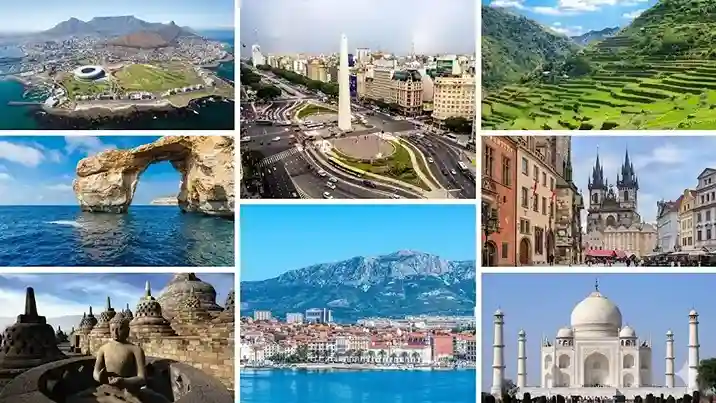
The Ultimate Guide to 8 Cultural Destinations from Asia to Europe
Traveling is not only about discovering breathtaking landscapes but also about understanding the rich history and cultural traditions that shape different societies. For culture lovers, every destination tells a story through its architecture, art, festivals, cuisine, and traditions. Exploring cultural destinations allows travelers to connect with the past while experiencing the diversity that makes our world fascinating.
From ancient temples in Asia to historic cities in Europe, many destinations offer immersive cultural experiences that reveal centuries of heritage and creativity. Here are eight remarkable destinations from Asia to Europe that every culture enthusiast should add to their travel bucket list.
Cultural Destinations in Asia
Kyoto, Japan – The Heart of Traditional Japanese Culture
Kyoto is widely regarded as the cultural soul of Japan. As the country’s ancient capital for more than a thousand years, Kyoto was the center of politics, religion, and arts during several historical periods including the Heian, Kamakura, Muromachi, and Edo eras.
The city is famous for its well-preserved temples, shrines, and traditional wooden houses. Visitors can experience iconic cultural activities such as Japanese tea ceremonies, stroll through serene Zen gardens, and explore historic districts like Gion. Kyoto’s traditional cuisine, known as kaiseki, also reflects the elegance and philosophy of Japanese culture.
For travelers seeking an authentic cultural experience in Japan, Kyoto offers an unforgettable journey through time.
Agra is one of India’s most historically significant cities. Located in the northern state of Uttar Pradesh, Agra rose to prominence as the capital of the powerful Mughal Empire.
The city is best known for the breathtaking Taj Mahal, one of the most famous monuments in the world and a UNESCO World Heritage Site. Built in the 17th century by Emperor Shah Jahan, the Taj Mahal symbolizes eternal love and showcases the beauty of Mughal architecture.
Beyond the Taj Mahal, Agra is home to other remarkable historical sites such as Agra Fort and Fatehpur Sikri, which provide deeper insight into the region’s rich imperial history.
Beijing, China – A City Where Ancient Meets Modern
Beijing is a fascinating city where ancient traditions coexist with modern development. As China’s capital, Beijing has served as the political and cultural center of the country for centuries.
The city is home to some of China’s most iconic historical landmarks. The majestic Forbidden City once served as the residence of Chinese emperors, while the sacred Temple of Heaven symbolizes ancient Chinese cosmology and rituals.
Visitors can also explore the magnificent Summer Palace or travel just outside the city to experience the legendary Great Wall of China. Together, these landmarks represent thousands of years of Chinese history and culture.
Sri Lanka – The Pearl of the Indian Ocean
Sri Lanka, historically known as Ceylon, is famous for its diverse cultural heritage and stunning natural landscapes. Located in the Indian Ocean, the island has been influenced by many civilizations including India, Arabia, Portugal, the Netherlands, and the United Kingdom.
Sri Lanka’s ancient Buddhist heritage can be seen in sacred sites such as Sigiriya and Temple of the Sacred Tooth Relic.
In addition to its cultural landmarks, the country offers beautiful tea plantations, tropical beaches, and diverse wildlife. This blend of culture and nature makes Sri Lanka one of Asia’s most unique travel destinations.
Cultural Destinations in Europe
Rome, Italy – The Eternal City
Rome is one of the most historically influential cities in the world. As the center of the ancient Roman Empire, Rome played a vital role in shaping Western civilization.
Today, visitors can explore centuries of history through landmarks such as the Colosseum, Roman Forum, and Pantheon.
The city’s museums, churches, and piazzas showcase remarkable artistic and architectural achievements, making Rome a paradise for history lovers.
Athens, Greece – Cradle of Western Civilization
Athens is widely recognized as the birthplace of democracy, philosophy, and classical arts. The city played a crucial role in shaping Western political thought and intellectual traditions.
One of its most iconic landmarks is the Acropolis of Athens, which houses the famous Parthenon. These ancient structures symbolize the artistic and architectural achievements of classical Greece.
Athens offers travelers a unique opportunity to walk through the foundations of Western civilization.
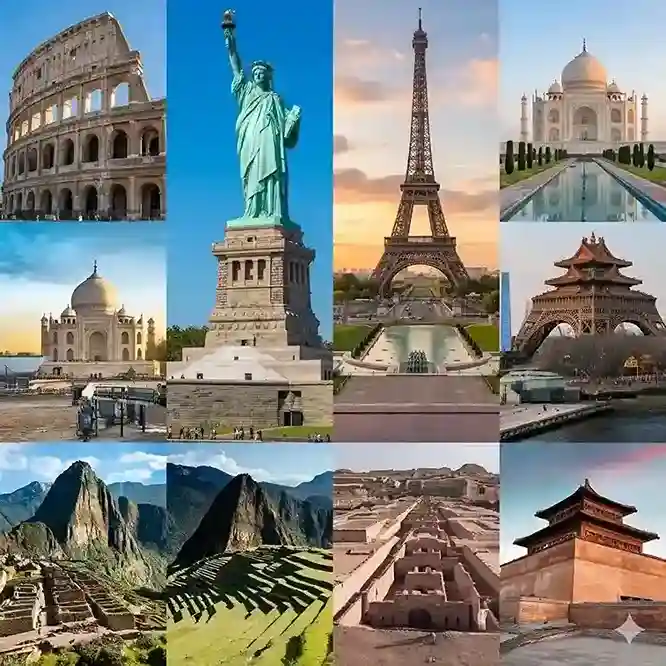
Paris is known worldwide as a hub for art, fashion, cuisine, and culture. Often called the “City of Light,” Paris has inspired artists, writers, and thinkers for centuries.
One of the city’s most famous cultural landmarks is the Louvre Museum, the largest museum in the world. It houses over 35,000 artworks, including masterpieces like the Mona Lisa and the ancient sculpture Venus de Milo.
From historic streets to world-class museums and renowned French cuisine, Paris offers an unforgettable cultural journey.
Prague, Czech Republic – The City of a Hundred Spires
Prague is one of Europe’s most enchanting historic cities. Located in the heart of Central Europe, Prague is known for its beautifully preserved architecture and rich cultural history.
The city’s skyline is dominated by Gothic, Renaissance, and Baroque buildings, including landmarks such as Prague Castle and Charles Bridge.
Often referred to as the “City of a Hundred Spires,” Prague offers visitors a magical atmosphere where history and culture blend seamlessly.
Comparing Cultural Heritage in Asia and Europe
Both Asia and Europe are among the world’s most important cultural regions, each offering unique historical traditions and artistic achievements. Asian destinations often highlight ancient religions, spiritual philosophies, and long-standing cultural practices, while European cities showcase classical architecture, philosophical movements, and influential art history.
By exploring both regions, travelers gain a deeper understanding of how different cultures developed and influenced the modern world. Whether wandering through ancient temples in Asia or admiring historic cathedrals in Europe, each destination provides a meaningful cultural experience.
For culture enthusiasts, these eight destinations represent extraordinary gateways to the history, art, and traditions that define our global heritage.